Could the government’s 2026 licensing scheme be the defining moment that transforms your ambition into a prestigious, regulated career? You’ve likely felt the weight of the current industry confusion, where the lines between clinical safety and fast-track promises feel increasingly blurred. It’s understandable to feel anxious about whether your chosen path meets the rigorous new standards set by the Department of Health and Social Care. Mastering how to become an aesthetic practitioner uk requires more than just technical skill; it demands a commitment to the artistry of natural-looking results and a deep understanding of the evolving legal landscape.
This guide provides the precise roadmap you need to navigate the transition from beginner to advanced specialist, ensuring your education is both ethically sound and future-proof. We’ll demystify the difference between CPD and OFQUAL level 7 qualifications, while highlighting the most reputable training pathways in the North West to ensure your professional journey is as seamless as the luminous results you’ll soon provide for your clients. By the end of this guide, you’ll have the quiet confidence to build a bespoke career that prioritises safety and artistic discernment.
Key Takeaways
- Understand the transition toward a regulated clinical industry and how JCCP standards will define professional success in 2026.
- Learn why OFQUAL-regulated diplomas are now the essential “gold standard” for those seeking a sustainable and respected career in aesthetics.
- Navigate the specific educational requirements and clinical pathways for both medics and non-medics to discover exactly how to become an aesthetic practitioner uk.
- Follow our comprehensive five-step roadmap to transition seamlessly from a dedicated student to a confident, practicing professional.
- Discover how to balance clinical excellence with a luxury boutique experience at our Lancashire-based centre of excellence.
Understanding the UK Aesthetics Landscape in 2026
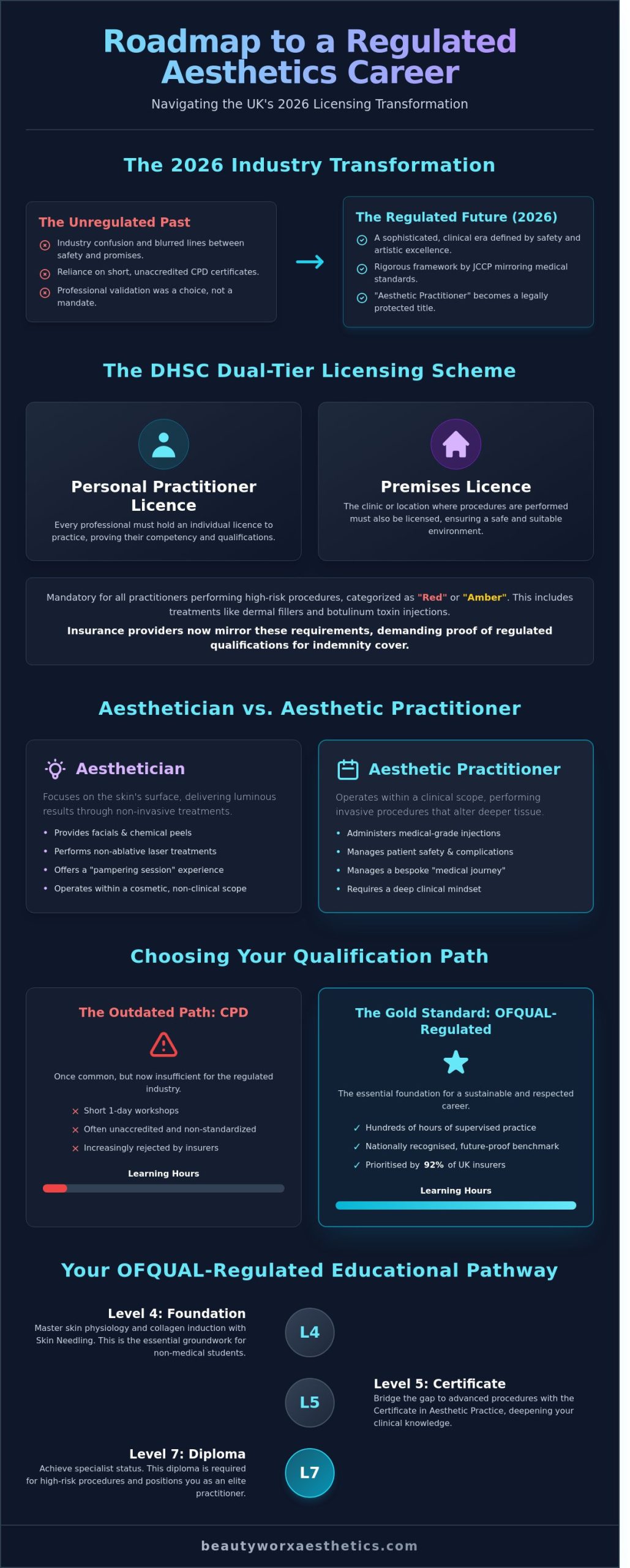
The year 2026 represents a pivotal transformation for the British beauty industry, moving away from an unregulated past into a sophisticated, clinical era. This shift ensures that every client journey is defined by safety and artistic excellence. The Joint Council for Cosmetic Practitioners (JCCP) has been instrumental in this evolution, establishing a rigorous framework that mirrors the standards of traditional medical practice. If you’re researching how to become an aesthetic practitioner uk, you’re entering a field where professional validation is now a legal mandate rather than a choice.
This new landscape relies on a comprehensive Aesthetic Medicine Overview to distinguish between purely cosmetic enhancements and clinical interventions. The UK Government’s 2026 licensing mandate requires practitioners to demonstrate high-level competency before they can legally perform high-risk procedures like dermal fillers or botulinum toxin injections. It’s a move that elevates the “aesthetic practitioner” title to a protected status, reserved for those who’ve invested in meticulous training and clinical validation. This transition fosters a sense of reliability and transparency that is crucial for building long-term trust with clients seeking a refreshed, harmonious appearance.
The Impact of the DHSC Licensing Scheme
The Department of Health and Social Care (DHSC) licensing scheme, fully operational as of 2026, introduces a dual-tier requirement. Every professional must hold a personal practitioner licence, while their clinic must possess a premises licence. By January 2026, 100% of practitioners performing “Red” or “Amber” category procedures must provide evidence of regulated qualifications, such as a Level 7 Diploma. Insurance providers have mirrored these requirements; major insurers now require verified proof of clinical oversight and accredited training before issuing indemnity cover. This ensures your career begins on a foundation of absolute safety and professional integrity.
Aesthetician vs Aesthetic Practitioner: Know the Difference
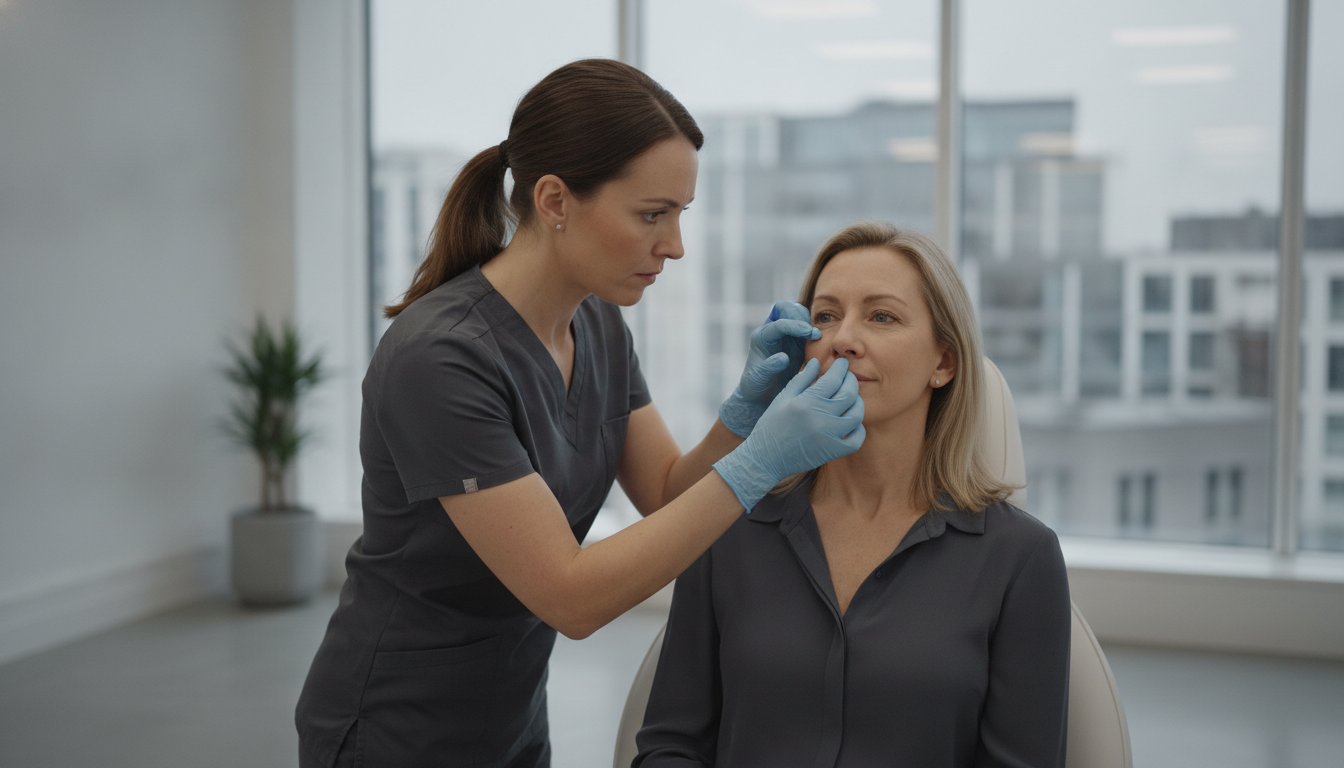
Understanding the distinction between these roles is vital for your professional identity. An aesthetician typically focuses on the skin’s surface, delivering luminous results through facials, chemical peels, and non-ablative lasers. However, an aesthetic practitioner operates within a clinical scope, performing invasive procedures that alter deeper tissue structures. Transitioning from beauty therapy into this role requires a clinical mindset from day one. You’ll move from providing pampering sessions to managing a bespoke medical journey. Learning how to become an aesthetic practitioner uk involves mastering patient safety, complication management, and the delicate art of achieving natural-looking results through precise medical-grade injections.
Navigating the Qualification Maze: CPD vs OFQUAL Regulated
The journey to clinical excellence begins with choosing a path that prioritises safety and sophisticated results. While short Continuing Professional Development (CPD) certificates were once the industry standard, the 2026 landscape demands a more robust educational foundation. OFQUAL-regulated qualifications represent the gold standard for anyone researching how to become an aesthetic practitioner uk. These diplomas are nationally recognised benchmarks that ensure your clinical knowledge is as refined as the results you intend to provide. Unlike 1-day CPD workshops, regulated courses involve hundreds of hours of supervised practice and academic study.
Securing professional indemnity insurance is now inextricably linked to your chosen qualification level. Since the 2024 legislative shifts, approximately 92% of specialist UK insurers prioritise practitioners with regulated diplomas over those with unaccredited training. This shift ensures that your practice remains protected and your career longevity is secured. You can explore the evolving UK Government Regulations for Aesthetic Procedures to understand why this oversight is vital for your professional journey. It’s about building a reputation founded on trust and meticulous detail.
The Level 4 and 5 Foundation
Your transition into this bespoke field often starts with Level 4 Skin Needling. This entry point provides a deep dive into skin physiology, serving as the essential groundwork for non-medical students who wish to master collagen induction. Progressing to the Level 5 Certificate in Aesthetic Practice bridges the gap to more advanced clinical interventions. These levels act as the scaffolding for your success. They ensure every treatment you perform is harmonious with the client’s natural anatomy. These prerequisites are now mandatory for 85% of advanced injectable programmes in the UK.
The Level 7 Diploma: The Ultimate Goal
The Level 7 Diploma in Clinical Aesthetic Injectable Treatments is the pinnacle of aesthetic education. Equivalent to a Master’s degree, this qualification focuses heavily on intricate facial anatomy, pathophysiology, and the expert management of complications. In the competitive North West market, where discerning clients in Manchester and Cheshire seek only the most qualified experts, holding a Level 7 status distinguishes you as a master artisan. It represents a commitment to the “best version of you” philosophy that defines high-end aesthetics. If you’re ready to start this transformative experience, our bespoke training pathways offer the expert guidance you need to flourish as a specialist.
Mapping Your Journey: Pathways for Medics and Non-Medics
Achieving mastery in aesthetics is a patient, deliberate process. While some providers promise “fast-track” routes, true expertise requires a deep understanding of facial architecture and complication management. When you research how to become an aesthetic practitioner uk, you’ll find that shortcuts often lead to gaps in clinical safety. Quality education involves a minimum of 40 hours of theory followed by extensive practical sessions. You must build a Portfolio of Evidence (PoE) that documents your journey. This portfolio typically requires at least 10 supervised cases for each treatment modality to ensure your technique is both safe and refined. It’s a record of your growth and a testament to your commitment to client safety.
The Pathway for Medical Professionals
Nurses, doctors, and dentists bring a wealth of clinical knowledge to the sector, yet the transition requires a shift toward an artistic perspective. Medical professionals must adapt their existing skills to focus on facial harmony and subtle restoration. If you’re a non-prescribing nurse, you’ll need to partner with a prescriber or complete the V300 prescribing course. This allows you to manage the entire patient journey independently, from the initial consultation to the final, luminous result. Your medical background provides a foundation of trust, but the “art” of aesthetics is a specific skill set that requires dedicated mentorship.
The Pathway for Non-Medical Professionals
For those entering from a beauty background, the progression is structured and rigorous. You’ll typically begin with a Level 3 qualification in beauty therapy or equivalent. From there, you’ll move through Level 4 and 5, focusing on skin health and core standards, before reaching the Level 7 Diploma. Finding a clinical mentor is vital; they provide the oversight needed during your first 20 injectable procedures. Keeping abreast of the British Beauty Council on Aesthetics Regulation updates is essential. The 2026 licensing scheme will mandate specific education levels for all practitioners, ensuring a uniform standard of excellence across the industry. This journey transforms a therapist into a specialist capable of delivering bespoke, natural-looking results.
Clinical supervision remains the heartbeat of your training. You shouldn’t practice in isolation until you’ve demonstrated competence in a controlled environment. Working with live models under the watchful eye of an expert allows you to refine your hand-eye coordination and needle depth. This hands-on experience is what builds the confidence necessary to transition from a student to a professional practitioner. Your PoE will serve as your professional passport, proving to insurers and future clients that your skills meet the highest industry benchmarks.
From Student to Professional: A 5-Step Roadmap
Transitioning from an aspiring student to a refined expert requires a structured, safe, and academically rigorous path. By 2026, the landscape for those learning how to become an aesthetic practitioner uk has evolved; it now demands a portfolio of excellence rather than a simple certificate of attendance. Success in this boutique industry is built upon a foundation of clinical safety and artistic discernment.
- Step 1: Choose an OFQUAL-recognised academy. Regulated Level 4 to Level 7 pathways are the industry baseline. These qualifications ensure your training meets the stringent standards required for future licensing.
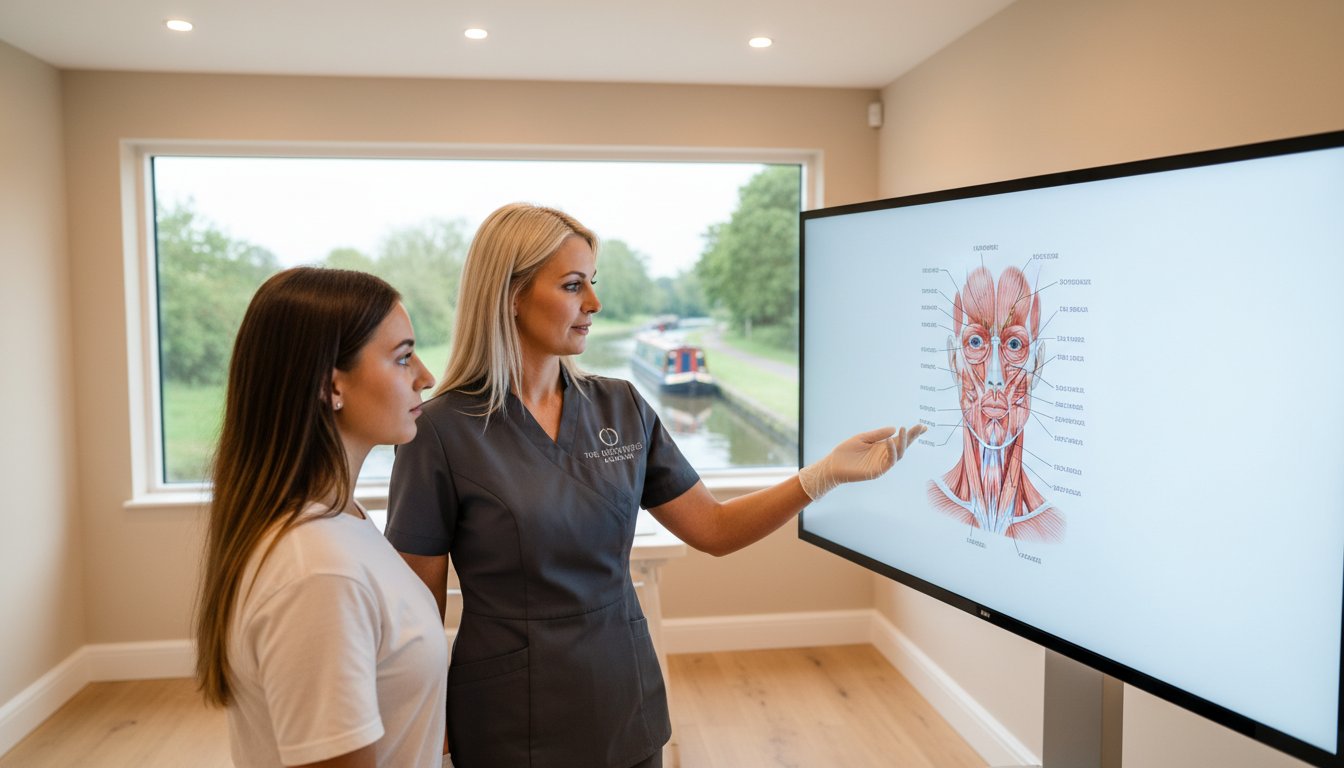
- Step 2: Master clinical theory. Immerse yourself in the 43 muscles of the face and complex vascular maps. Understanding the SMAS layer is vital for creating harmonious, natural results.
- Step 3: Practice under expert supervision. You must complete a minimum of 10 to 20 supervised treatments on live models. Real tissue feedback is something a mannequin cannot replicate.
- Step 4: Secure professional indemnity insurance. Register with recognised bodies such as the JCCP or Save Face. This builds immediate trust with your future clientele.
- Step 5: Launch your clinical environment. Whether you are joining an established Lancashire centre or opening a private boutique, your space must reflect your commitment to luxury and hygiene.
Choosing the Right Aesthetics Academy
Avoid “one-day” workshops that promise instant mastery. These are significant red flags in a professional’s journey. True expertise takes time to cultivate. Seek out Lancashire-based training centres that offer a clinical environment rather than a hotel conference room. It is essential to verify that your tutors have at least five years of active clinical practice. This ensures you learn the nuances of patient care from seasoned artisans.
Mastering Complications Management
Safety is the primary driver of success in the 2026 market. Modern clients value their wellbeing and the promise of a refreshed, subtle look above all else. A dedicated Complications Management Course is no longer optional; it is a necessity for any practitioner who prioritises patient safety. This training provides the confidence to handle rare adverse events, such as vascular occlusions, with calm medical precision. Building a network for secondary referrals ensures your clients always have a sophisticated safety net.
Your journey toward becoming a trusted specialist starts with the right mentorship. Explore our professional training pathways to master the art of aesthetics and begin your transformation today.
Elevating Your Career with BeautyWorx Aesthetics
Beauty Worx Aesthetics isn’t just a training provider; it’s an artisan collective where clinical safety meets high-end luxury. We believe that learning how to become an aesthetic practitioner uk requires more than just technical skill. It demands an appreciation for the subtle, harmonious results that define modern beauty. Our philosophy centres on the bespoke journey, ensuring you treat every face as a unique canvas while maintaining the highest medical standards. We move away from the sterile atmosphere of traditional classrooms, opting instead for a nurturing, boutique environment that inspires confidence.
Based in our Burscough academy, we serve as the premier centre of excellence for the North West. Our Lancashire facility mirrors a luxury clinic environment, allowing you to transition seamlessly from student to professional. We limit our intakes to small groups, usually maintaining a four-to-one student-to-tutor ratio, to ensure the meticulous attention to detail that our brand is known for. This intimate mentorship is why 96% of our alumni report feeling fully confident to practice independently immediately after certification. You aren’t just a student here; you’re a future peer in a community dedicated to the art of self-confidence.
Our Regulated Qualification Suite
We provide a clear, structured pathway through OFQUAL regulated Level 4, 5, and 7 qualifications. These programmes aren’t merely tick-box exercises; they’re deep dives into the science of collagen induction and the precision of neurotoxins. For those looking to refine their signature style, our specialist masterclasses, including the 2026 Russian Lip technique and advanced dermal filler mapping, offer the competitive edge needed in today’s market. We teach you the 360-degree reality of running a successful clinic, from managing patient expectations to achieving that signature luminous glow that brings clients back.
Start Your Journey Today
Your evolution into a trusted practitioner begins with a single, purposeful conversation. At our Burscough training centre, we offer one-to-one career consultations to map out your specific goals for the 2026 intake. We understand that investing in your future is a significant step, so we provide flexible, interest-free payment options with deposits starting from £250. You’ll join a supportive community of like-minded professionals who prioritise safety and artistry above all else. Contact our education team to discuss your bespoke pathway and discover how we help you reveal the best version of your professional self.
Your Future in Aesthetic Excellence
The landscape of medical aesthetics is shifting, and 2026 marks a defining moment for professionals who prioritise clinical safety and artistic discernment. Successfully navigating how to become an aesthetic practitioner uk depends on choosing OFQUAL-regulated pathways that offer long-term security in a changing regulatory environment. By committing to Level 4, 5, or 7 qualifications, you’re not just learning a skill; you’re mastering a craft that blends scientific precision with the subtle art of enhancement.
BeautyWorx Aesthetics invites you to refine your expertise within the serene environment of our luxury Burscough clinic. With over 25 CPD accredited masterclasses and expert-led training, we provide the tools to help you create harmonious, natural-looking results for every client. It’s an opportunity to move beyond basic procedures and embrace a bespoke approach to patient care. Your path to becoming a trusted artisan in this field is structured, supported, and designed for lasting success.
Explore Our OFQUAL Regulated Aesthetics Courses
We’re ready to help you begin this rewarding new chapter. Your journey toward professional mastery starts here.
Frequently Asked Questions
Can I become an aesthetic practitioner without being a nurse or doctor?
You can become an aesthetic practitioner without a medical degree by following the regulated vocational pathway. In 2026, non-medics must complete a Level 4 through to Level 7 qualification to meet the standards set by the Joint Council for Cosmetic Practitioners (JCCP). This structured journey ensures you gain the clinical depth needed to provide safe, luminous results for your clients. It’s a rewarding route that prioritises patient safety while celebrating the artistry of skin health.
How long does it take to qualify as an aesthetic practitioner in the UK?
Qualifying as a professional typically takes between 6 and 18 months depending on your chosen path. A foundation course might take 2 days; however, achieving the gold-standard Level 7 Diploma requires a minimum of 12 months of dedicated study and clinical practice. This timeframe allows you to master the delicate balance of facial anatomy and injection precision. Rushing this process compromises the bespoke quality your future clients will expect from a high-end practitioner.
What is the most important qualification for aesthetics in 2026?
The Level 7 Diploma in Clinical Aesthetic Injectables is the most vital qualification for anyone learning how to become an aesthetic practitioner uk in 2026. This postgraduate-level certification aligns with the latest government licensing mandates, ensuring you possess the technical mastery to deliver harmonious, subtle enhancements. It covers everything from skin science to complex complication management. Holding this credential establishes you as a trusted artisan in a competitive, sophisticated market.
How much does aesthetics training cost in the UK?
Training costs in the UK vary between £2,500 for basic foundation modules and £10,000 for a comprehensive Level 7 programme. High-quality training in 2026 reflects the investment in premium clinical environments and expert mentorship. You’ll also need to budget roughly £800 for initial starter kits and aesthetic supplies. Viewing these costs as an investment in your professional reputation ensures you don’t cut corners on the safety or quality of your future work.
Do I need a medical licence to perform Botox and dermal fillers?
You don’t need a medical licence to perform dermal fillers, but you must work with a prescriber to administer Botox. Since Botulinum Toxin is a prescription-only medicine under the Human Medicines Regulations 2012, a face-to-face consultation by a qualified prescriber is mandatory for every client. This collaborative approach maintains the clinical integrity of your practice. It ensures every treatment plan is a safe, medically-sound step toward enhancing your client’s natural beauty.
What insurance do I need as a new aesthetic practitioner?
You must secure specialist medical malpractice and public liability insurance before treating your first client. Premiums for new practitioners in 2026 generally start at £650 annually, providing essential protection for both you and your patients. Leading providers like Hamilton Fraser or Cosmetic Insure offer tailored policies that reflect the specific treatments you provide. This coverage acts as a silent guardian, allowing you to focus on the creative and clinical aspects of your craft with total peace of mind.
Is the aesthetics industry in the UK regulated?
The UK aesthetics industry is now strictly governed by a mandatory national licensing scheme introduced under the Health and Care Act 2022. By 2026, every practitioner must hold a personal licence and ensure their premises meet rigorous hygiene and safety standards. These regulations have replaced the previously unregulated nature of the industry with a sophisticated framework. This shift protects the emotional and physical journey of the client, ensuring only the most meticulous professionals thrive.
Where is the best place to train in Lancashire for aesthetics?
BeautyWorx Aesthetics offers the premier training experience in Lancashire for those seeking a blend of clinical excellence and luxury. Our Preston-based academy provides bespoke mentorship that focuses on achieving undetectable, natural-looking results through advanced injection techniques. We limit our intake to 4 students per session to ensure every trainee receives the detailed, hands-on guidance required to master how to become an aesthetic practitioner uk. Our graduates enter the industry with the quiet confidence of true specialists.











 Reviews