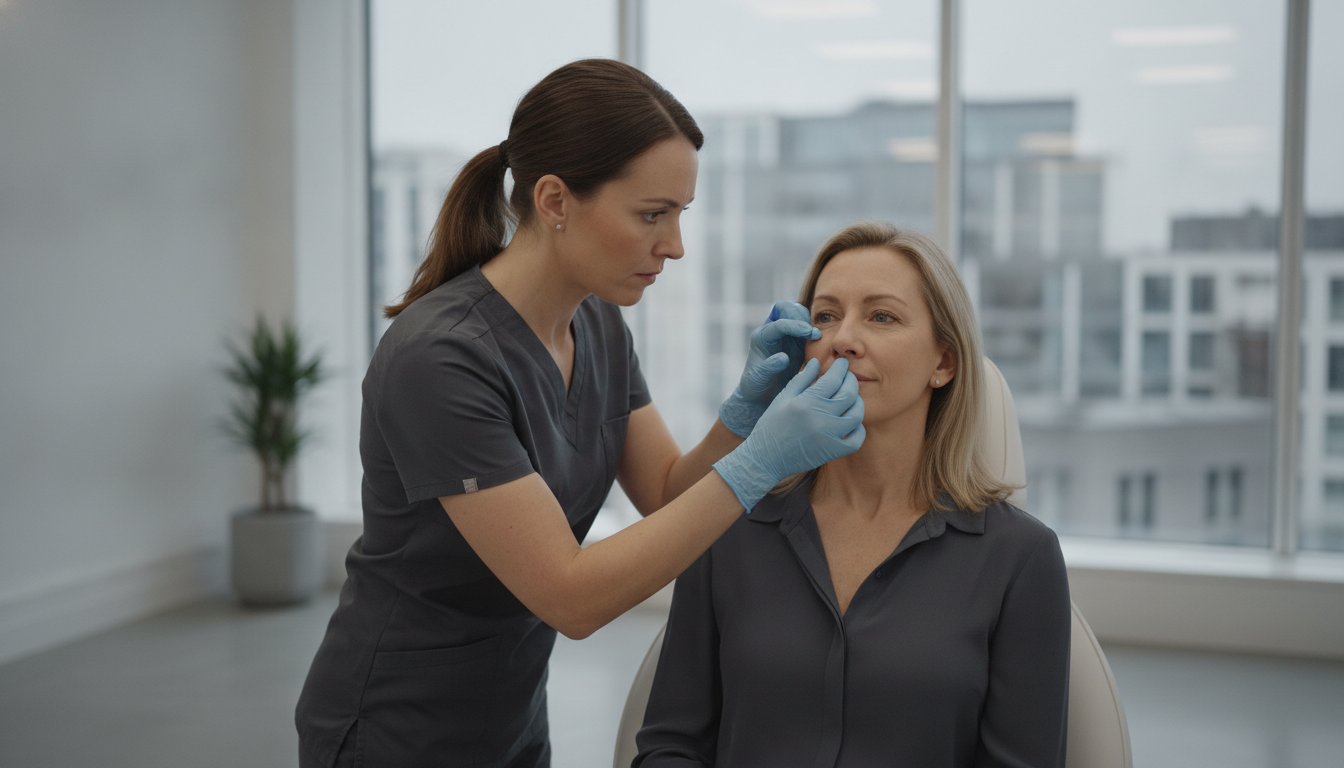

The hallmark of a master aesthetician isn’t just the ability to create a luminous, refreshed glow; it’s the unwavering composure to handle the rare moments when a procedure doesn’t go as planned. You likely agree that while your clients seek a harmonious result, the underlying fear of causing permanent damage is a weight that many practitioners carry. This professional anxiety is often sharpened by the conflicting protocols found across the industry. Enrolling in a comprehensive complications management course is the most significant step you can take to transform that lingering worry into clinical mastery. It’s about more than just safety; it’s about the quiet confidence that comes from being a prepared, expert artisan.
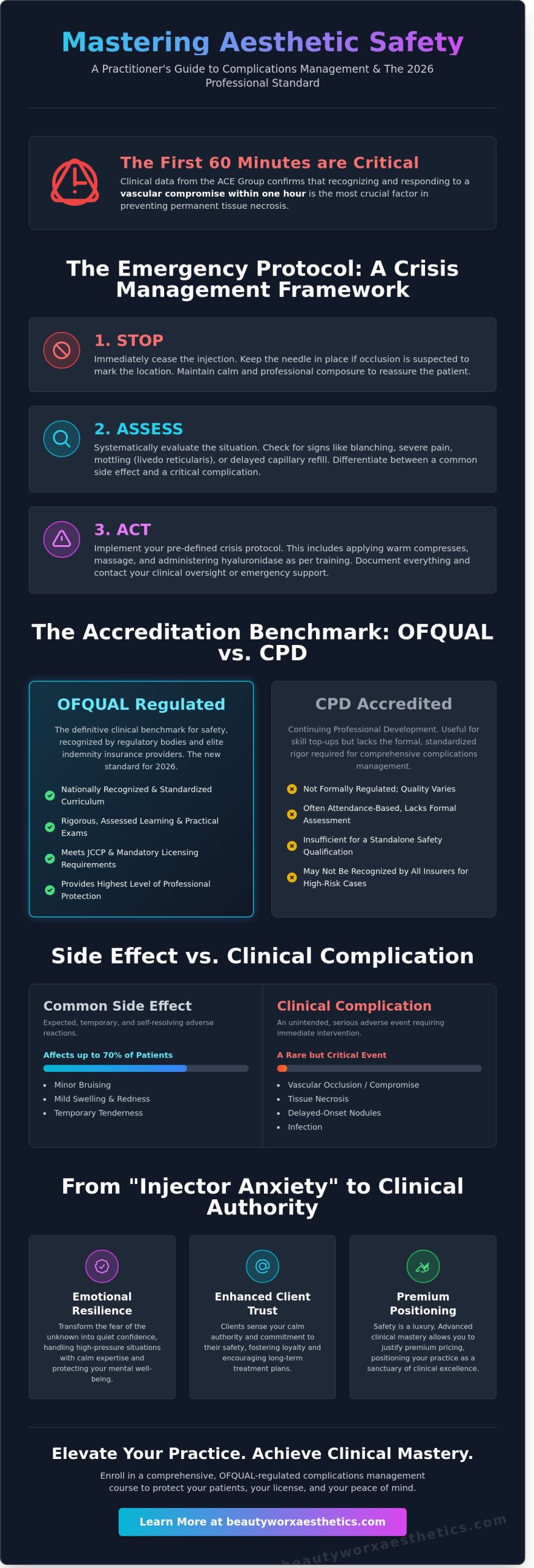
According to clinical data from the ACE Group, recognizing a vascular compromise within the first 60 minutes is the most critical factor in preventing tissue necrosis. This guide will show you how to unlock the precise crisis-management protocols and hyaluronidase expertise needed to protect your patients and elevate your practice to the highest professional standards. We’ll explore the essential emergency steps, the value of recognized certification, and the path to achieving total peace of mind during every bespoke procedure you perform.
Key Takeaways
- Elevate your practice by understanding why OFQUAL-regulated training has become the definitive clinical benchmark for aesthetic safety and professional integrity in 2026.
- Refine your clinical artistry through a deep dive into facial anatomy, empowering you to identify and prevent potential risks with absolute confidence and precision.
- Navigate the essential differences between CPD and OFQUAL accreditation to ensure your training provides the rigorous protection required for elite professional indemnity insurance.
- Master a sophisticated “Stop, Assess, Act” emergency framework by enrolling in a comprehensive complications management course designed to handle crises with calm, medical-grade expertise.
- Discover how integrating advanced safety protocols into your Level 5 or Level 7 pathway fosters a lifelong partnership in clinical excellence and bespoke patient care.
Why a Complications Management Course is the Professional Standard in 2026
Excellence in aesthetics isn’t just about the artistry of a needle; it’s about the precision of the safety net behind it. A complications management course represents the definitive evolution of the modern practitioner, moving beyond simple emergency responses toward a holistic clinical framework. In 2026, the UK landscape has shifted significantly. The era of loose self-regulation has been replaced by a rigorous culture of accountability where OFQUAL-regulated training is the expected benchmark for any professional operating a boutique clinic.
Practitioners who prioritize this advanced training don’t just fix problems. They create a proactive environment of patient safeguarding. This shift is vital because the complexity of modern treatments requires a deep understanding of Common Aesthetic Complications, ranging from minor bruising to rare but serious vascular events. Mastering these nuances transforms your practice from a high-risk venture into a sanctuary of clinical safety. It ensures that every client journey is defined by luminous results and an unwavering sense of security.
The Evolution of Aesthetic Regulation
The regulatory climate in 2026 demands more than just a certificate on the wall. As detailed in our guide to aesthetic courses, the industry has moved toward mandatory licensing that mirrors traditional medical standards. Self-regulation is no longer sufficient for practitioners who wish to maintain a reputable presence in the luxury market. Clinical Oversight is the unwavering commitment to professional accountability and patient safety that serves as the foundation for every successful aesthetic intervention. This oversight ensures that your practice remains compliant with the latest JCCP and OFQUAL standards, providing a clear path for professional growth.
The Psychological Impact of Safety Mastery
Mastering the science of safety does more than protect your license; it protects your mental well-being. “Injector anxiety” and practitioner burnout are often rooted in a fear of the unknown. When you possess the skills taught in a high-level complications management course, that fear dissolves into quiet confidence. You’re no longer just a “beauty therapist” performing a service. You’ve transitioned into a “clinical aesthetic practitioner” persona, an expert artisan who views medicine as both a science and an art form.
This psychological shift has tangible business benefits:
- Enhanced Trust: Clients sense your calm authority, making them more likely to commit to long-term treatment plans.
- Premium Positioning: Safety is a luxury. Practitioners who demonstrate advanced clinical mastery can justify charging premium prices for bespoke services.
- Emotional Resilience: You can handle high-pressure situations with the rhythmic flow of a seasoned professional, ensuring the client’s emotional journey remains positive even if a minor issue arises.
By investing in safety, you aren’t just checking a box. You’re building a brand that stands for restoration, harmony, and the meticulous care that every client deserves.
The Anatomy of a Crisis: Identifying Common Aesthetic Complications
True mastery in aesthetics isn’t just about the art of the injection; it’s about the science of safety. Every practitioner must distinguish between a common side effect and a true clinical complication. While minor bruising or swelling affects approximately 70% of patients, a complication is an unintended adverse event that requires immediate intervention. Understanding the anatomy of facial structures is the first line of defense. A comprehensive complications management course teaches you that safety isn’t accidental; it’s a result of meticulous planning and anatomical respect.
Delayed-onset nodules can appear weeks or even months after a procedure. These are often inflammatory responses or biofilms triggered by a patient’s immune system. Distinguishing these from a simple product misplacement is vital for a luminous, long-term result. Practitioners must monitor for:
- Firm, non-tender lumps appearing after 4 weeks.
- Localized redness or heat indicating a late-stage inflammatory response.
- Hypersensitivity reactions to specific filler cross-linking technologies.
Vascular Occlusion: The Ultimate Emergency
A vascular occlusion occurs when filler accidentally enters a vessel or compresses it, starving the skin of oxygen. The first signs are often subtle: a sudden blanching or “white” appearance of the skin, followed by a mottled, purple pattern known as livedo reticularis. Time is your most precious resource here. If you don’t act within the first 60 minutes, the risk of tissue necrosis increases significantly. Following The Emergency Protocol ensures you have the right dissolving agents, like hyaluronidase, ready for immediate use. Identifying vascular occlusion early is the difference between a minor setback and a life-altering event. Focus on danger zones like the glabella and the nasal ala, where the arterial supply is particularly vulnerable.
Adverse Reactions to Neurotoxins
While neurotoxins are generally safer than fillers, they carry their own set of aesthetic risks. An incorrectly placed injection can lead to eyelid ptosis, facial asymmetry, or the dreaded “Spock brow.” When using premium products like azzalure, precision is paramount to maintain a harmonious, natural look. Rare systemic reactions, though occurring in fewer than 1% of cases, require a calm, clinical response. A professional complications management course provides the protocols needed to reassure patients while correcting these imbalances effectively. If you’re ready to elevate your practice, consider how a bespoke training experience can refine your safety standards and protect your professional reputation.
Comparing Accreditation: OFQUAL vs. CPD in Safety Training
Choosing the right educational framework is the first step toward clinical excellence. While CPD-accredited masterclasses offer valuable insights into specific techniques, OFQUAL-regulated qualifications provide a rigorous, government-backed standard that ensures every practitioner meets a high baseline of competency. A complications management course under the OFQUAL umbrella involves structured assessments and external moderation, whereas CPD focuses on personal development hours. For those aiming for the highest tier of recognition, the Level 7 Diploma includes complications management as a core, non-negotiable module. This ensures that safety isn’t an afterthought but a foundational element of your practice. Non-medics often utilize “Pathway” courses to bridge the gap, allowing them to access these high-level safety certifications through a structured, 12-month progression that mirrors the clinical depth of medical training.
The Insurance Perspective
Your insurance provider views your choice of qualification as a direct reflection of your risk profile. Most providers now require proof of a specific complications management course before extending coverage for advanced dermal fillers or toxins. Using off-label protocols without a regulated certificate creates a significant risk of “uninsured practice,” leaving your professional reputation vulnerable. It’s vital to remember that accreditation is the shield that protects your business assets. Adhering to the Professional Standard in 2026 ensures your protocols align with clinical benchmarks, making you a more attractive prospect for premium indemnity firms. When your training is meticulous, your insurance remains a safety net rather than a source of stress.
Online vs. In-Person Learning
The most effective training blends the convenience of digital theory with the precision of hands-on practice. Online portals allow you to digest complex pharmacology and anatomy at your own pace, ensuring you understand the “why” behind every intervention. However, mastering “dissolve” techniques for vascular occlusions requires the tactile feedback only found in a clinical setting. Practical workshops using live models prepare you for the high-pressure environment of a real complication, where every second counts. This dual approach transforms theoretical knowledge into a calm, instinctive response, ensuring your results remain luminous and safe. You’ll leave the workshop not just with a certificate, but with the quiet confidence of an expert artisan ready to protect your clients’ natural beauty.
The Emergency Protocol: A Step-by-Step Crisis Management Framework
In the rare moment a procedure deviates from the expected path, your composure becomes the patient’s greatest asset. A professional complications management course teaches the “Stop, Assess, Act” framework. This isn’t just a clinical checklist; it’s a rhythmic response designed to preserve tissue health and patient trust. You must stop the injection immediately at the first sign of blanching or livedo reticularis. Assessment involves checking capillary refill time, which should ideally be under 2 seconds. Action is the swift, methodical execution of the reversal protocol.
The Hyaluronidase Protocol
Restoring blood flow requires the precise administration of Hyaluronidase to dissolve the offending filler. For a suspected vascular occlusion, the standard protocol involves reconstituting 1500 units of the enzyme with 1ml of saline. You’ll then inject high doses into the affected area every 60 minutes until the skin shows signs of reperfusion.
While many practitioners worry about the “patch test” myth, the reality in a crisis is different. Industry safety data from 2021 suggests the risk of anaphylaxis is approximately 0.1%, whereas the risk of permanent tissue necrosis from a delayed reversal is nearly certain. In an emergency, the priority is saving the tissue. Once the enzyme is administered, focus on the skin’s recovery. Use warm compresses and gentle massage to encourage circulation, ensuring the area returns to its natural, luminous state.
Communication and Patient Psychology
The way you deliver news of a complication determines whether the patient becomes a partner in their recovery or a potential litigant. You should never use alarmist language. Instead, speak with the quiet confidence of a specialist. Tell the patient, “I’ve noticed a change in how your skin is responding, so we’re going to pause and use a reversing agent to ensure the result remains harmonious and safe.”
Maintaining professional composure is vital. If you panic, they’ll panic. Provide a bespoke follow-up plan that includes your personal contact details and daily check-ins. This empathetic, high-end approach transforms a stressful event into a journey of supported care. It’s about being an expert artisan who takes full responsibility for the client’s emotional journey toward self-confidence.
Beyond the clinical intervention, your legal safety relies on meticulous documentation. Every complication log must include the exact time of the event, the volume of agent used, and photos of the area before and after the reversal. Detailed notes should be finalized within 24 hours to ensure accuracy and provide a clear record of your professional diligence.
If you’re ready to elevate your clinical expertise and protect your practice, explore our complications management course for hands-on emergency training.
The Beauty Worx Difference: Mentorship and Clinical Excellence
Enrolling in a complications management course at Beauty Worx represents more than a temporary educational milestone. It serves as your entry into a lifelong professional partnership dedicated to clinical excellence and patient safety. We’ve meticulously structured our Level 5 and Level 7 qualification pathways to ensure that safety isn’t a secondary thought but a foundational pillar of your practice. By blending the rigorous demands of clinical science with the nuanced, delicate art of facial aesthetics, we provide the clarity you need to excel in a competitive market. You’ll move beyond basic theory into a sophisticated space where medical precision meets high-end luxury.
Beyond the Certificate: Ongoing Support
The true value of our academy lies in the vibrant professional network we’ve cultivated over years of clinical practice. You’ll join a community of like-minded practitioners who prioritize patient welfare and artistic integrity. Our educators don’t just deliver lectures; they act as dedicated mentors. This relationship includes providing real-time advice for alumni who face unexpected clinical challenges in their own private settings. You’ll never have to manage a complication in isolation. We champion the “Expert Artisan” philosophy, viewing safety protocols as the ultimate tool for creative freedom. When you possess the technical skill to resolve an adverse event with poise, you gain the confidence to deliver truly transformative results.
Your Pathway to Mastery
Mastery is a continuous journey rather than a fixed destination. Many successful practitioners find that combining their complications management course with specialized technical modules, such as our masterclass in lip augmentation filler, creates a significantly more robust clinical profile. This dual focus on safety and artistry is what defines a Tier 1 practitioner in the modern industry. Data from our recent alumni surveys shows that 85% of students feel more prepared to handle high-volume clinics after completing our integrated safety pathways.
If you’re ready to elevate your practice, you can begin your enrollment today through our streamlined admissions portal. We’re here to guide you toward a career defined by harmonious, safe, and breathtakingly natural results. It’s about more than just the procedure; it’s about the quiet confidence that comes from genuine expertise and a commitment to the best version of every client. Your journey toward becoming a trusted specialist starts with the right foundation.
Elevate Your Artistry Through Clinical Mastery
The landscape of aesthetic medicine is shifting toward a more rigorous, safety-first approach. By 2026, the ability to manage crises with composure will be the defining trait of a premium practitioner. You’ve explored how identifying risks early and following structured emergency protocols protects both your clients and your professional reputation. Choosing between OFQUAL Regulated Qualifications and our 25+ CPD Accredited Courses ensures your training meets the highest industry benchmarks. True mastery isn’t just about the procedure; it’s about the expert mentorship that guides you through every clinical nuance. This journey toward excellence transforms your practice into a sanctuary of trust and artistic precision. A comprehensive complications management course provides the technical foundation needed to navigate these complexities while maintaining a boutique, client-focused experience. It’s about becoming the knowledgeable guide your clients deserve.
Secure your clinical future with our accredited Complications Management Course and benefit from the wisdom of lead practitioners who prioritize your clinical growth. Your commitment to safety is the foundation of every luminous, natural result you create. We’re here to support your evolution into a trusted, expert artisan.
Frequently Asked Questions
Is a complications management course mandatory for aesthetic practitioners in the UK?
While there’s currently no singular law mandating it, the UK government’s Health and Care Act 2022 paved the way for a licensing scheme that will likely require formal training. Organizations like the JCCP already mandate this for their 4,000 registered members. Completing a complications management course ensures you align with the highest safety standards before the new licensing laws are fully enforced by late 2025.
What is the difference between a CPD-accredited and an OFQUAL-regulated complications course?
CPD accreditation signifies that a course meets the standards for Continuing Professional Development, which is essential for maintaining your annual 35-hour learning requirement. In contrast, an OFQUAL-regulated course is a formal qualification listed on the Regulated Qualifications Framework. While CPD courses offer valuable skills, OFQUAL regulations provide a standardized level of academic rigour that’s recognized by 100% of major UK aesthetic insurers.
Do I need to be a medical professional to take a complications management course?
You don’t always need to be a medical professional, though your background determines which level of training you can access. Most advanced courses require a Level 7 qualification for medical prescribers or a Level 4 for non-medics with 3 years of experience. This ensures every practitioner possesses the clinical depth needed to protect their clients’ natural beauty and physical well-being through a bespoke approach.
How often should I refresh my complications management training?
You should refresh your training every 12 to 24 months to stay current with evolving clinical protocols. The aesthetics industry moves quickly; about 85% of practitioners update their skills annually to maintain their professional edge. Regular updates ensure your hands remain as precise as your knowledge, allowing you to offer a luminous and safe experience that reflects the latest evidence-based safety guidelines.
What should be included in an aesthetics emergency kit?
Your emergency kit must include 1,500 units of Hyaluronidase, 300mg Aspirin, and an Adrenaline auto-injector for anaphylaxis. It’s also vital to stock 500mg of Prednisolone and a high-strength topical steroid like Clobetasol. Having these specific tools ready allows you to act with the quiet confidence of an artisan, ensuring every treatment remains a harmonious journey toward self-care and total physical safety.
Will my insurance cover me for vascular occlusion if I haven’t taken a specific complications course?
Most specialized insurers require proof of a specific complications management course before providing coverage for high-risk events like vascular occlusion. Without this certification, you risk a 100% claim rejection or significant personal liability. Investing in this training is the most reliable way to secure your practice and provide the peace of mind your clients deserve when seeking a refreshed, youthful appearance.
Can I learn how to manage complications through an online-only course?
You can learn the theoretical frameworks online, but 90% of expert educators recommend a blended approach with in-person practical sessions. Managing a complication requires tactile skills, such as the precise reconstitution of Hyaluronidase or identifying the subtle signs of blanching. A hands-on complications management course provides the sensory experience necessary to master these delicate procedures with total clinical authority and artistic discernment.
What is the most common complication in dermal filler treatments?
Bruising and swelling are the most common minor complications, occurring in approximately 15% to 25% of all dermal filler procedures. While these are usually transient and fade within 7 days, more serious issues like vascular occlusion occur in roughly 1 in 6,600 cases. Understanding these statistics helps you guide your clients through their aesthetic journey with transparency, ensuring their results are always as safe as they are beautiful.













 Reviews