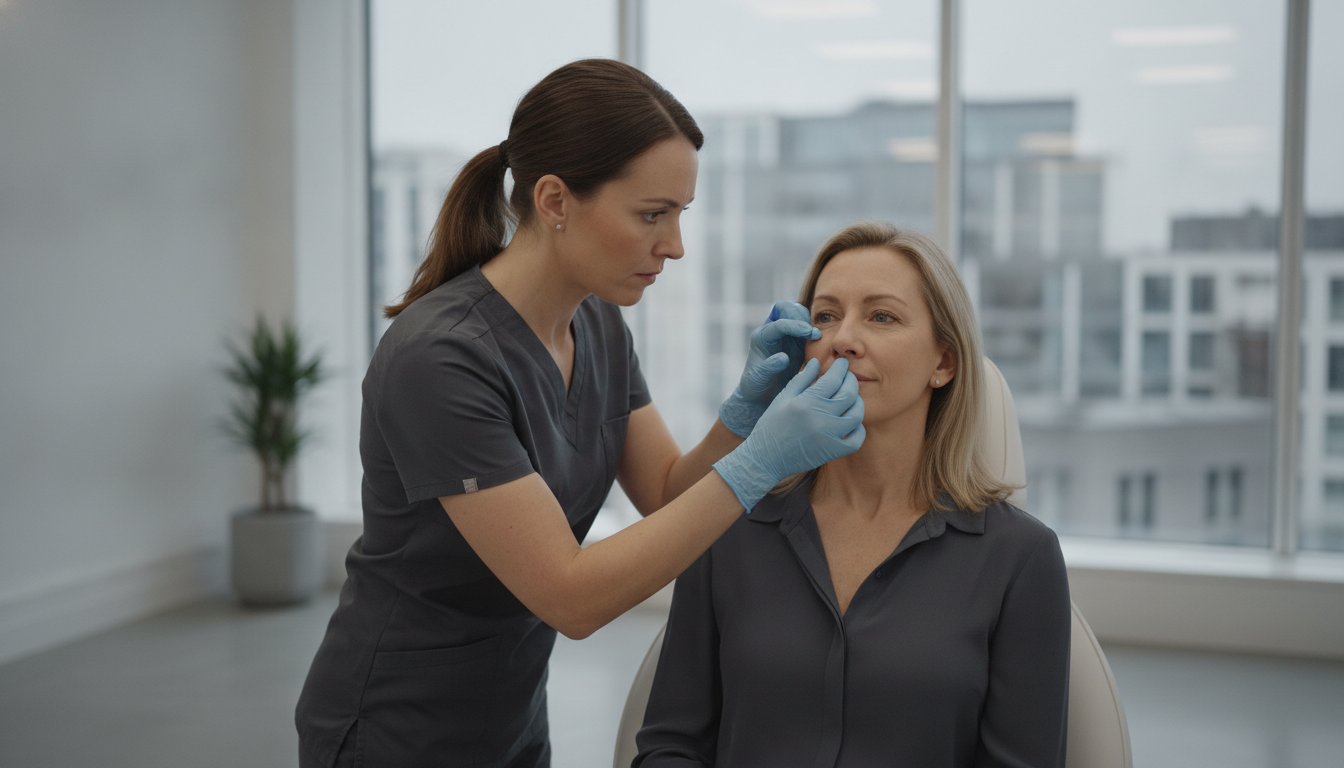

Did you know that 79% of complaints regarding botched dermal fillers involve procedures performed by non-medics? With the UK’s mandatory licensing scheme for non-surgical cosmetic procedures set for implementation in July 2026, the distinction between a casual injector and a safe, clinical professional has never been more vital. Securing comprehensive hyaluronidase training for non-medics is no longer just an elective skill; it’s a cornerstone of ethical practice and professional longevity.
You likely understand the quiet anxiety that accompanies every injection, the awareness that a client’s safety rests entirely in your hands. It’s common to feel overwhelmed by the new traffic light risk categorization or the complexities of partnering with a prescriber for prescription only medicines. We’re here to transform that uncertainty into a source of pride and confidence. This guide provides a clear pathway to mastering filler reversal and emergency protocols through accredited training that meets the highest safety standards.
By the end of this article, you’ll understand how to navigate the 2026 regulations, achieve insurance approved certification, and elevate your practice to a level of artistry and safety that clients truly trust. We will break down the essential components of complications management and the structured VTCT pathways designed to protect both your career and your clients.
Key Takeaways
- Understand the dual role of hyaluronidase as both an artistic tool for refining results and a critical safety net for emergency complications management.
- Discover why a comprehensive reversal plan is the hallmark of a trusted clinical practitioner and an essential ethical standard for every dermal filler treatment.
- Navigate the evolving regulatory landscape by choosing accredited hyaluronidase training for non-medics that aligns with regulated pathways like the Level 5 or Level 7 qualifications.
- Learn the technical nuances of professional reversal, from mapping high-risk anatomical zones to the precise science of diluting and reconstituting enzymes.
- Elevate your professional credibility by transitioning from a standard injector to an expert artisan focused on safe, subtle, and natural-looking enhancements.
What is Hyaluronidase and Why is it Vital for Non-Medics?
In the sophisticated world of aesthetic medicine, the ability to create beauty is only half of the equation. True mastery lies in the power to reverse, refine, and protect. Hyaluronidase is a soluble protein enzyme that acts as a biological catalyst, specifically designed to break down the hyaluronic acid (HA) found in modern dermal fillers. For those pursuing hyaluronidase training for non-medics, understanding this enzyme is the first step toward becoming a truly safe and responsible practitioner. It acts as a biological eraser, offering a level of control that is essential for any high-end clinical setting.
By July 2026, the UK’s new licensing scheme will mandate stricter standards for all non-surgical procedures. Because hyaluronidase is a Prescription-Only Medicine (POM), non-medic practitioners must maintain a formal partnership with a designated prescriber. This isn’t just a legal hurdle; it’s a professional safeguard. Every practitioner must carry a “reversal kit” containing the enzyme. The presence of this safety net distinguishes a professional environment from a high-risk one, ensuring that you’re prepared for any outcome.
Elective vs. Emergency Dissolving
The application of this enzyme falls into two distinct categories. Elective dissolving is an art of restoration. It allows you to correct “filler fatigue,” migration, or overfilled areas, returning the client to their most authentic self. It’s about subtle refinement and the preservation of inherent features. Conversely, emergency use is a clinical necessity. If signs of a vascular occlusion appear, such as skin blanching or livedo reticularis, seconds count. Having the confidence to administer a reversal agent can prevent permanent tissue damage. This makes it an essential skill for procedures like liquid rhinoplasty or lip augmentations where the anatomy is complex.
The Biological Mechanism of HA Breakdown
This enzyme works with meticulous precision by targeting the cross-linking bonds that give dermal fillers their structure and longevity. Once injected, the breakdown begins almost immediately. The full aesthetic result is typically visible after 24 to 48 hours. It’s a focused intervention. While the enzyme may temporarily affect the body’s natural hyaluronic acid, the skin’s inherent vitality ensures these levels typically restore themselves within a few days. Comprehensive hyaluronidase training for non-medics ensures you understand these timelines, allowing you to manage client expectations with steady, quiet confidence and professional transparency.
The Ethical Imperative: Safety Over Shortcuts
True professionalism in aesthetics is defined by what happens when a procedure deviates from the ideal. Transitioning from a basic injector to a respected clinical practitioner requires more than just a steady hand; it demands an unwavering commitment to client welfare. The responsibility of care dictates that you should never administer a dermal filler without a definitive reversal plan already in place. This ethical foundation builds a bridge of trust between you and your client, ensuring they feel both pampered and protected within your care.
In the current climate, the UK government’s licensing scheme for non-surgical procedures highlights the necessity of clinical oversight for prescription medicines like hyaluronidase. For practitioners seeking hyaluronidase training for non-medics, this isn’t merely a box-ticking exercise. It’s about developing the quiet confidence required to manage rare but serious events with composure. When you prioritize safety over shortcuts, you eliminate the risk of a panic response, replacing it with a meticulous, step-by-step protocol that preserves the client’s health and your professional reputation.
The Psychology of Complications
Managing an adverse event is as much about emotional intelligence as it is about clinical skill. Maintaining a calm, reassuring demeanor during a reversal procedure is essential to prevent client distress. Transparent communication starts long before the needle touches the skin. During pre-treatment consultations, discussing potential risks and the existence of a reversal strategy manages expectations and reinforces your position as a knowledgeable guide. This transparency doesn’t frighten clients; it empowers them. It demonstrates that their safety is your absolute priority, fostering a partnership in self-care rather than a one-off transaction.
Professionalism in Non-Medical Aesthetics
The journey toward becoming a specialist requires aligning with the highest facial aesthetics standards. While basic CPD certificates offer a glimpse into the field, OFQUAL regulated pathways, such as the Level 5 or Level 7 qualifications, provide the depth needed for long-term career security. These structured programs ensure that the role of hyaluronidase is mastered within a comprehensive complications management course. If you’re ready to elevate your practice, exploring our specialized training options can help you achieve the artistic discernment and clinical precision that modern clients demand.
Training Pathways: Regulated Qualifications vs. CPD
Choosing the right educational journey is perhaps the most significant decision you’ll make for your clinic’s future. While a simple “certificate of attendance” might look elegant on a wall, it often lacks the clinical weight required by modern insurers and regulatory bodies. For those seeking hyaluronidase training for non-medics, the distinction between a short-term workshop and a regulated qualification is the difference between temporary knowledge and permanent professional security. As the industry moves toward the July 2026 licensing mandate, the depth of your training becomes your most valuable asset.
Insurers are increasingly scrutinizing the background of practitioners before granting coverage for high-risk procedures. They prioritize individuals who have undergone rigorous, evidence-based assessment rather than those who have merely observed a demonstration. These requirements often align with clinical guidelines for the safe use of hyaluronidase, which emphasize the importance of understanding pharmacology and emergency protocols. For non-medics entering the field, the “Access to Aesthetics” route offers a structured pathway, ensuring foundational knowledge in anatomy and physiology is mastered before advancing to complex injectable reversal techniques.
Regulated Qualification Benefits
Nationally recognized qualifications, such as the OFQUAL Level 5 and Level 7 pathways, provide a level of future-proofing that unaccredited courses cannot match. These programs involve rigorous assessment processes, including formal theory exams and practical observations under clinical supervision. This depth of study ensures you aren’t just following a procedure; you’re developing a profound understanding of facial architecture and high-risk zones. This clinical precision allows you to operate with the quiet confidence of a specialist who views safety as an essential part of their craft.
The CPD Route for Existing Practitioners
Continuing Professional Development (CPD) remains a vital tool for the modern artisan. A CPD-accredited masterclass is often appropriate for refreshing specific skills or staying updated on the latest reconstitution techniques. However, it’s essential to verify that your CPD provider maintains high clinical standards and isn’t just offering a “fast-track” shortcut. Combining targeted CPD with broader, regulated aesthetic courses creates a well-rounded portfolio. This balanced approach demonstrates a lifelong commitment to safe practice and the subtle, natural-looking results that clients truly desire.

What to Expect in a Professional Hyaluronidase Course
Stepping into a professional classroom marks a significant shift in your career, moving from the artistic application of volume to the meticulous science of safety. A high-caliber hyaluronidase training for non-medics doesn’t simply offer a demonstration; it provides an immersive deep-dive into the biological realities of aesthetic practice. You’ll begin with advanced facial anatomy, mapping high-risk zones where vascular compromise is most likely to occur. Understanding the precise pathways of the angular and supraorbital arteries is essential for any practitioner who values clinical excellence and client security.
The curriculum then transitions into the delicate art of reconstitution. Precision is paramount here, as you learn to mix and dilute enzymes to suit specific clinical needs, whether you’re performing a subtle aesthetic refinement or managing a time-sensitive emergency. Safety protocols are woven into every module, with a dedicated focus on patch testing. This vital step prevents allergic reactions before they occur, ensuring that your reversal procedure doesn’t inadvertently lead to further complications like anaphylaxis. Following this, you’ll master step-by-step emergency protocols for suspected vascular occlusions, transforming potential panic into a steady, methodical response.
Clinical Oversight and Prescribing
One of the most critical aspects of hyaluronidase training for non-medics is navigating the legalities of Prescription-Only Medicines (POM). Because Hyalase requires a prescription, you’ll learn how to establish a professional partnership with a designated prescriber, such as a GMC-registered doctor or an Independent Nurse Prescriber. This section clarifies the legal requirements for “stocking” emergency medicines in a non-medical facility, ensuring you remain compliant with the July 2026 licensing standards. Having access to a clinical mentor during your initial reversal cases provides an additional layer of reassurance, acting as a knowledgeable guide while you build your clinical autonomy.
Hands-on Practical Experience
Refining your technique requires more than just theory; it demands tactile experience. You’ll practice advanced injection techniques, distinguishing between retrograde and bolus methods to address different types of complications. Working with live models allows you to simulate real-world aesthetic corrections in a controlled, supportive environment. This hands-on approach ensures you can manage post-procedure care and follow-up schedules with transparency and grace. If you’re ready to secure your future as a safe practitioner, our complications management course offers the comprehensive training you need to lead with confidence.
Elevate Your Practice with Beauty Worx Aesthetics
Beauty Worx Aesthetics acts as a sanctuary for those who view aesthetics as both a science and a fine art. Our curriculum is designed for the practitioner who seeks to provide more than just a service, focusing instead on the long term partnership of self care and graceful aging. Our approach to hyaluronidase training for non-medics transcends basic clinical instruction; it’s a mentorship program that cultivates the quiet confidence of a specialist. We believe that a safe practitioner is a successful one, and our commitment to safety is matched only by our dedication to subtle, natural looking results.
Natural restoration is the heartbeat of our clinic and our academy. We teach you how to preserve the client’s inherent features while providing the necessary interventions that restore vitality and clarity. This philosophy ensures that your clients never look artificial, but rather refreshed and authentically themselves. To support this journey, every student gains access to our sophisticated online theory portal, providing a wealth of knowledge that you can revisit as your practice grows. Beyond the classroom, our ongoing mentorship ensures you never feel isolated when facing complex clinical decisions.
Your evolution as an artisan doesn’t end with complications management. Many of our students progress from foundational safety to holistic wellness certifications, such as our vitamin b12 injection training. This allows you to offer a comprehensive suite of services that cater to the client’s overall sense of well being. From there, you can pursue advanced diplomas that solidify your standing as an elite practitioner in the UK’s regulated landscape. We provide the map; you provide the talent.
A Luxury Learning Environment
We believe the environment where you learn should reflect the standard of the clinic you aspire to run. Our training facilities are upscale and meticulously maintained, offering a peaceful atmosphere that invites contemplation and trust building. We intentionally keep our class sizes small. This allows our expert educators to provide the personalized attention and artistic discernment you need to master complex techniques. We prioritize your emotional journey, helping you build the resilience and composure required to handle the pressures of a high end clinical practice.
Your Next Steps in Professional Development
Securing your future in the aesthetics industry begins with a conversation. You can book a consultation with our lead educators to discuss your career goals and customize a training pathway that fits your specific needs. Whether you’re just starting or looking to refine your expertise, joining our community of elite, safety conscious practitioners provides a network of support that lasts throughout your career. We don’t just sell courses. We foster an ongoing partnership in professional excellence, ensuring that your work remains discreet, tailored, and exceptionally safe.
Securing Your Future in a Regulated Industry
The transition from a standard injector to a safe, clinical practitioner is the most significant step you can take for your professional longevity. Mastering the art of complication management through hyaluronidase training for non-medics doesn’t just protect your clients; it establishes your reputation as a trusted specialist who prioritizes ethics above all else. By choosing structured, OFQUAL regulated qualifications and engaging in live model practice, you ensure that your skills meet the rigorous standards required for the 2026 licensing scheme.
Expert mentorship and access to over 25 CPD accredited courses provide the foundation you need to navigate this evolving landscape with quiet confidence. Every procedure you perform should be backed by the certainty that you can handle any outcome with grace and precision. This commitment to clinical excellence is what distinguishes an elite artisan from the rest of the industry, fostering a sense of reliability that clients deeply value.
Begin your journey toward clinical excellence with Beauty Worx Aesthetics. We’re here to act as your knowledgeable guide, supporting your growth as you provide the subtle, natural looking results that your clients truly deserve. Your path to a safer, more sophisticated practice starts today.
Frequently Asked Questions
Can a non-medic legally buy and use hyaluronidase in the UK?
Non-medics can legally use hyaluronidase provided it is prescribed for a specific client by a qualified medical professional. Since it is a Prescription-Only Medicine (POM), you must establish a formal partnership with a GMC-registered doctor or an Independent Nurse Prescriber. This clinical oversight ensures your practice remains compliant with the mandatory licensing regulations set for implementation in July 2026.
Is hyaluronidase training included in foundation dermal filler courses?
Most entry-level programs focus on injection techniques and facial mapping rather than complex reversal protocols. While basic safety is often introduced, comprehensive hyaluronidase training for non-medics is typically offered as a specialized module or within a dedicated complications management course. This advanced level of study is necessary to master the precise science of reconstitution and emergency response.
How long does it take for hyaluronidase to work on a vascular occlusion?
The enzyme begins breaking down the hyaluronic acid bonds almost instantly upon contact with the filler. In the critical moments of a suspected vascular occlusion, immediate administration is vital to restore blood flow to the affected tissue. While the biological breakdown is rapid, the visible resolution of skin blanching or swelling typically takes between 24 and 48 hours to fully stabilize.
Do I need a medical prescriber to work as a non-medic in aesthetics?
You definitely require a formal relationship with a medical prescriber to legally access and administer prescription-only treatments. The 2026 regulatory framework categorizes procedures using a traffic light system, making clinical oversight a non-negotiable requirement for non-medic practitioners. This partnership acts as a professional safety net, ensuring you have the necessary support during an emergency.
Will hyaluronidase dissolve my natural collagen or hyaluronic acid?
Hyaluronidase is specific to hyaluronic acid and does not have any impact on your natural collagen fibers. While the enzyme may temporarily break down some of the body’s inherent HA alongside the dermal filler, the skin’s natural vitality ensures these levels are typically restored within a few days. It is a targeted intervention designed for subtle restoration rather than permanent structural change.
What are the risks of using hyaluronidase on a client?
The primary clinical risk associated with this enzyme is a hypersensitivity reaction or anaphylaxis. This is why professional training emphasizes meticulous patch testing protocols before any elective dissolving procedure. Other localized side effects can include temporary bruising, swelling, or redness at the injection site as the filler begins to dissipate and the tissue adjusts.
Does insurance cover non-medics for filler reversal procedures?
Most specialist aesthetic insurers provide comprehensive coverage for filler reversal provided you hold an accredited and recognized certification. They often scrutinize the depth of your education, showing a clear preference for OFQUAL regulated pathways such as Level 5 or Level 7 qualifications. Maintaining valid insurance is essential for your professional credibility and the long-term security of your clinic.
How often should I refresh my hyaluronidase and complications training?
Refreshing your skills every 12 to 24 months is considered the gold standard for clinical safety and professional excellence. With the UK aesthetics industry growing by approximately 9% in 2026, staying current with the latest emergency protocols and hyaluronidase training for non-medics is vital. Regular updates ensure you remain a knowledgeable guide for your clients while adhering to the most recent government safety standards.














 Reviews