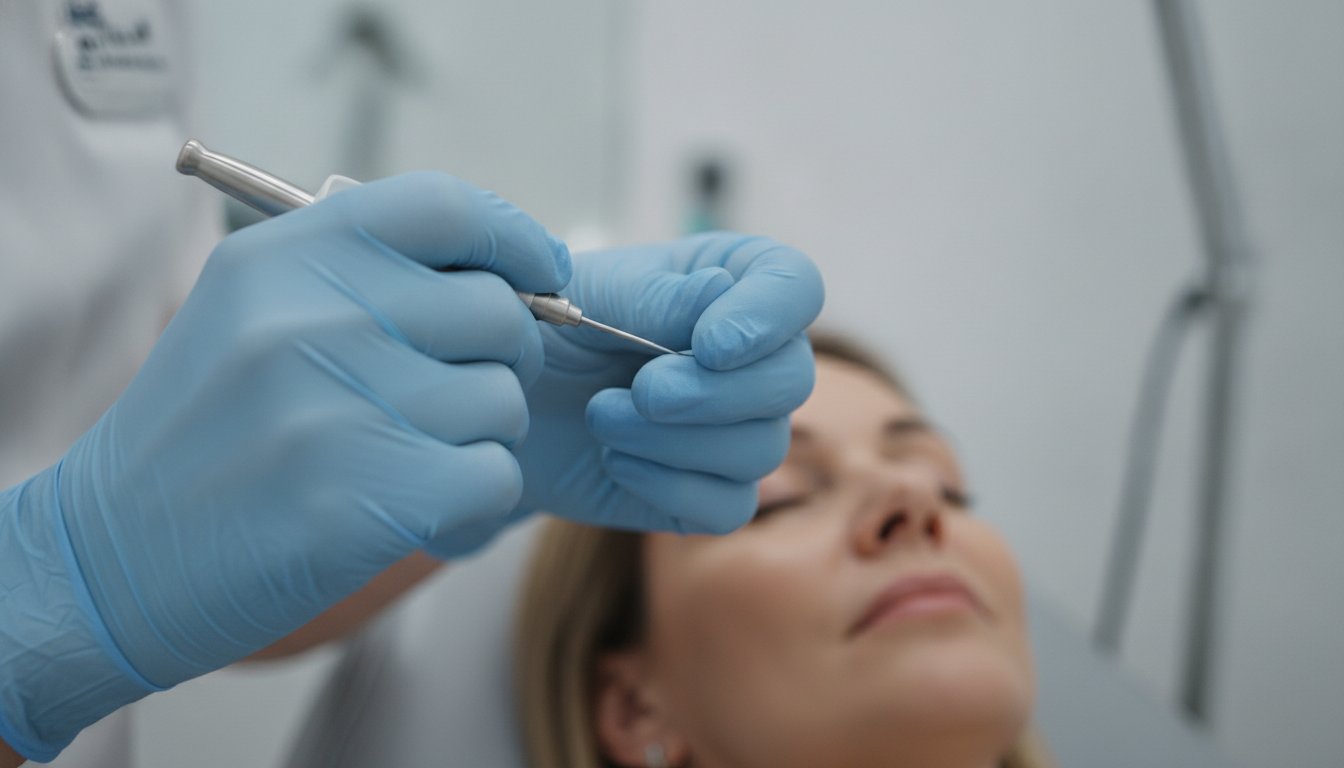
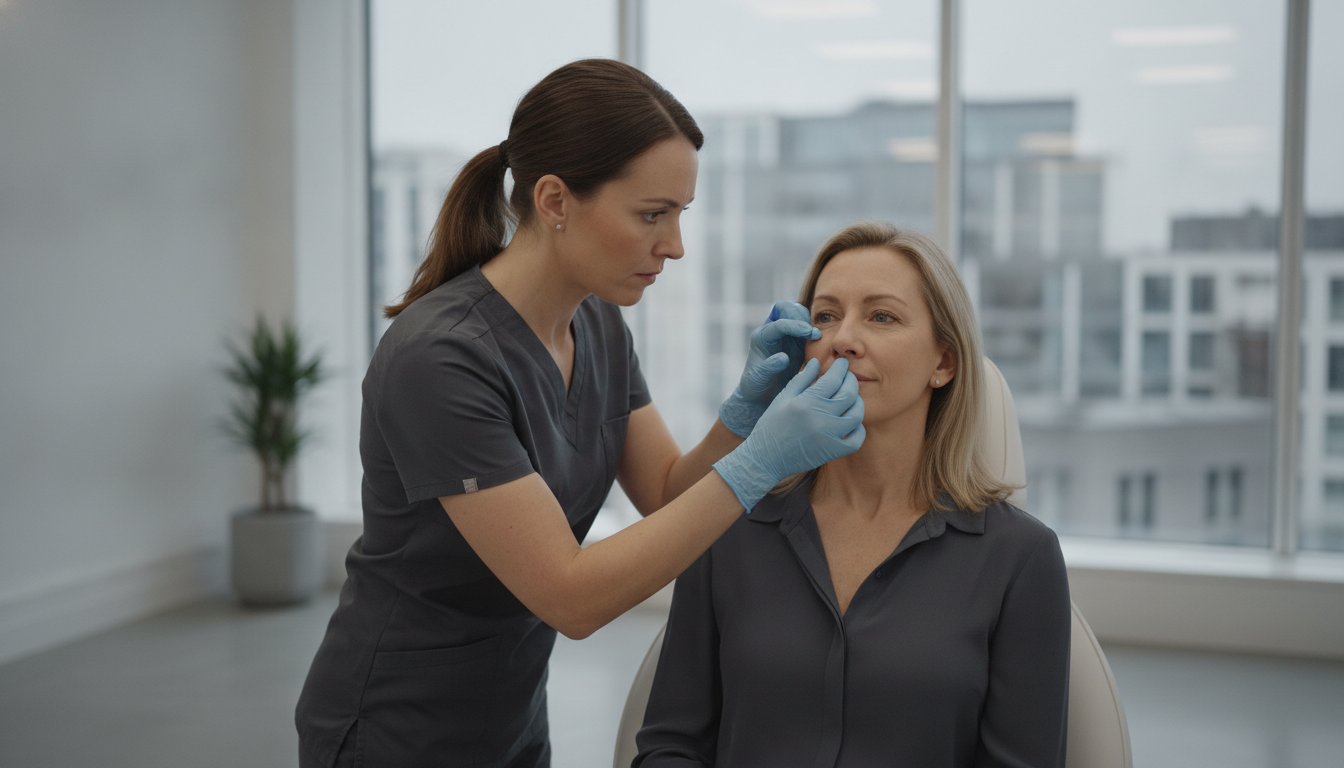
The subtle curve of a profile can define your entire aesthetic identity, yet the fifteen minute procedure used to perfect it carries more clinical weight than its “lunchtime” nickname suggests. While the allure of a refined bridge without surgery is undeniable, you may feel a lingering hesitation rooted in the very real risks of non-surgical nose job treatments. It’s natural to feel concerned about vascular safety or the evolving landscape of UK licensing, especially as the industry moves through a significant transition phase in June 2026. You deserve a result that reflects your natural beauty without compromising your peace of mind.
We understand that true confidence comes from clinical transparency and meticulous care. This guide provides an expert led exploration of nasal anatomy and the specific complications that can arise when precision is overlooked. You will learn how the forthcoming “Amber” category regulations in England and the new licensing in Scotland aim to protect your safety. By the end of this article, you’ll know exactly how to vet a practitioner for Level 7 clinical excellence. We’ll ensure your journey toward a more balanced profile is as sophisticated as it is secure.
Key Takeaways
- Discover why the intricate network of terminal blood vessels makes the nose a clinical “danger zone” that requires absolute anatomical mastery.
- Gain clarity on the specific risks of non-surgical nose job procedures, ranging from common swelling to rare but serious vascular complications.
- Learn how to navigate the evolving UK regulatory landscape and identify practitioners who meet the gold standard of clinical safety.
- Understand why OFQUAL regulated qualifications are essential for ensuring your aesthetic journey is guided by expertise rather than a “weekend course” culture.
- Explore how a dedicated focus on clinical education and artistic discernment creates subtle, natural results that preserve your unique features.
Understanding Non-Surgical Rhinoplasty: Why Safety is the Primary Concern
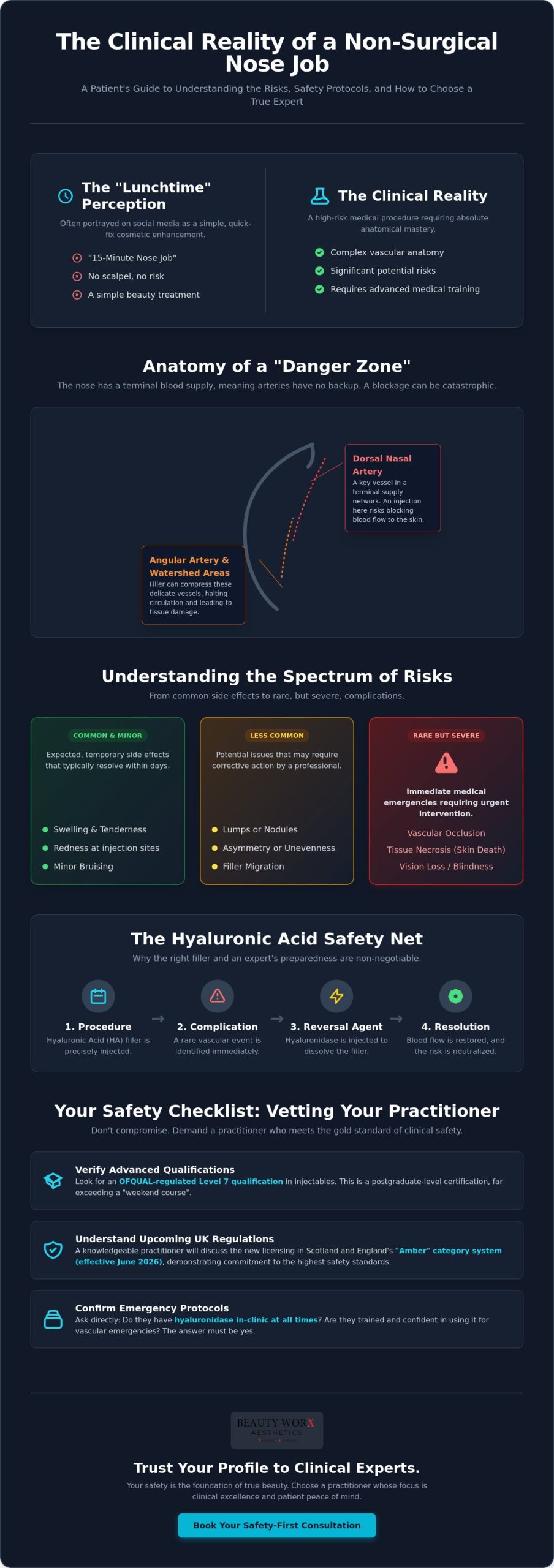
The desire for a refined, harmonious profile has historically led many toward invasive surgery, but the modern aesthetic landscape offers a more discreet alternative. Non-surgical rhinoplasty, often referred to as liquid rhinoplasty, utilizes precise injections of dermal filler to camouflage dorsal humps, lift the nasal tip, or correct asymmetries. It’s a sophisticated art form that requires a delicate touch and a deep understanding of facial balance. However, the casual branding of this treatment as a “quick fix” often obscures the clinical complexity involved. While the results can be transformative, the risks of non-surgical nose job procedures are significant when the treatment is viewed as a simple cosmetic enhancement rather than a serious medical intervention.
By framing this procedure as a “lunchtime” option, the industry has inadvertently created a false sense of security for many patients. The absence of a scalpel doesn’t equate to an absence of risk. Transitioning from a temporary aesthetic thought to a clinical reality requires a shift in mindset. You’re not just choosing a new profile; you’re choosing a medical procedure that interacts with one of the most vascularly dense areas of the human face. This is why safety must always be the primary pillar of your journey toward self-confidence.
The Popularity vs. Reality Gap
Social media platforms are often flooded with instant transformations, where a few seconds of video capture a dramatic shift in a patient’s appearance. These viral “15-minute nose job” clips create a dangerous gap between public perception and clinical reality. They rarely show the meticulous planning, sterile preparation, or the practitioner’s intense focus on vascular mapping. It’s vital to view liquid rhinoplasty as a medical intervention. The UK’s current regulatory landscape is in a transition phase as of June 2026, meaning the responsibility for due diligence often rests with the patient. Choosing a practitioner based on a social media feed rather than clinical credentials increases the risks of non-surgical nose job complications, making expert vetting more essential than ever.
Hyaluronic Acid: The Material of Choice
Hyaluronic acid (HA) remains the gold standard for nasal contouring due to its unique structural properties and high safety profile. Unlike permanent fillers, HA is a naturally occurring substance in the body, which minimizes the likelihood of long-term rejection. It provides the necessary lift and projection to reshape the nose with elegance and clarity. Perhaps its most vital feature is its reversibility. If a complication occurs, an enzyme called hyaluronidase can be injected to dissolve the filler almost immediately. This “safety net” is a crucial component of modern clinical practice. However, product quality remains paramount. Premium brands like Juvéderm or Restylane are chosen for their purity and predictable behavior within the tissue, reducing the risk of inflammatory responses or unwanted migration.
The Anatomy of the Nose: Why Liquid Rhinoplasty is a High-Risk Procedure
Achieving a refined profile requires more than an artistic eye; it demands an intimate knowledge of the facial landscape’s most complex terrain. The nose is often classified as a “danger zone” in clinical aesthetics because it relies on what is known as a terminal blood supply. Unlike other facial regions where multiple vessels might provide redundant pathways for blood flow, the nasal arteries are frequently the final destination for oxygenated blood. This intricate network includes the dorsal nasal and angular arteries, which sit remarkably close to the skin’s surface. When filler is introduced into this narrow space, the margin for error is virtually non-existent.
Practitioners must also navigate “watershed areas,” where the blood supply is naturally more vulnerable to compression. In these specific zones, the vessels are smaller and less resilient, making them susceptible to even minor changes in local pressure. If filler is placed without expert precision, it can inadvertently enter the vascular system or exert enough external force to halt circulation entirely. Understanding these risks of non-surgical nose job treatments is the first step in appreciating why anatomical mastery is the only way to ensure a safe and graceful outcome.
Vascular Complexity and Compression
There is a critical distinction between an intravascular injection, where filler enters an artery, and external vascular compression, where the filler’s volume simply squashes a nearby vessel. Both can lead to serious complications. Because the skin on the bridge and tip of the nose has very little “give” or elasticity, the pressure from the filler remains concentrated. This lack of space increases the likelihood of compression-related issues. A sophisticated approach to facial aesthetics requires the practitioner to account for these physical constraints, ensuring that every microlitre of product is placed with absolute intent to preserve the underlying tissue’s health.
The Connection to the Ophthalmic Artery
The most profound concern for any clinical expert is the anatomical link between the nasal arteries and the ophthalmic artery, which supplies blood to the eye. While rare, a retrograde embolism can occur if filler is accidentally injected into a vessel under high pressure. The product can travel backward through the arterial network and block the blood supply to the retina. The FDA guidance on dermal filler risks emphasizes that the bridge of the nose is a particularly high-risk area for this phenomenon due to its direct vascular pathways. This is why the risks of non-surgical nose job procedures must be managed by those who view their work through a clinical lens. If you’re seeking a subtle enhancement, it’s essential to partner with a specialist who prioritizes your safety through rigorous anatomical education.
Identifying the Risks: From Minor Side Effects to Rare Complications
Understanding the risks of non-surgical nose job treatments requires a clear distinction between the body’s natural healing response and genuine clinical emergencies. Most patients experience a graceful recovery characterized by minor, temporary side effects. These typically include localized swelling, mild tenderness, and soft bruising that fades within a few days. However, a sophisticated clinical perspective looks beyond the immediate post-treatment window. According to a Nonsurgical Rhinoplasty Clinical Review, delayed onset risks can include the formation of small nodules or filler migration, where the product shifts slightly from its original placement. These concerns are manageable when addressed by a specialist who views your care as an ongoing partnership.
While minor side effects are part of the journey, recognizing the “Red Flags” of a vascular complication is paramount for your safety. A vascular occlusion occurs if filler blocks an artery, and it presents with specific, unmistakable signs. You should watch for sudden skin blanching where the area turns white, livedo reticularis which is a dusky, purple mottling of the skin, or pain that feels disproportionately intense compared to a standard injection. If left untreated, these can lead to skin necrosis, which is the death of skin tissue. In extremely rare instances, the most severe risks of non-surgical nose job procedures involve visual impairment. This highlights why your practitioner’s anatomical expertise is your greatest safeguard.
Differentiating Bruising from Occlusion
Distinguishing between a simple bruise and a vascular emergency is a skill we empower our clients to understand. A bruise typically develops slowly and changes color over days, whereas an occlusion often shows immediate or rapid skin color changes. One of the most reliable methods for assessment is the capillary refill test. By applying gentle pressure to the skin and releasing it, a professional can observe how quickly the blood returns to the area. If the skin remains pale for more than two seconds, it may indicate a circulation issue. Maintaining immediate communication with your practitioner is vital if you notice any unusual changes; we’re here to provide the reassurance and swift action required to preserve your skin’s health.
Long-Term Aesthetic Risks
Beyond the immediate medical concerns, we must also consider the long-term aesthetic harmony of your profile. Over-treating the nose can lead to “filler bulk,” where the bridge widens over multiple sessions, potentially resulting in what is colloquially known as an “Avatar nose.” This loss of natural definition occurs when the product is layered without regard for the underlying structure. Our approach to nasal refinement mirrors our philosophy on lip augmentation filler; we focus on subtle, artful enhancement that respects your inherent features. By prioritizing precision over volume, we ensure that your results remain as authentic and elegant as the day they were first achieved.
How to Minimise Risk: The Importance of Regulated Qualifications
The rise of the “weekend course” culture in aesthetics has unfortunately contributed to an increase in preventable complications. These brief, unregulated tutorials often prioritize speed over safety, leaving practitioners ill-equipped to handle the complex vascularity of the nose. To truly mitigate the risks of non-surgical nose job treatments, you must look beyond the surface of a clinic’s marketing. True clinical excellence is built on a foundation of OFQUAL regulated qualifications, which ensure that every practitioner has undergone rigorous, standardized assessment. This framework provides the peace of mind that your treatment is being handled by a professional who respects the science as much as the art.
A critical component of this professional standard is the ability to manage the unexpected with calm, clinical precision. Every reputable practitioner must have an emergency “dissolve kit” present on-site during every treatment. This kit contains Hyaluronidase, the enzyme required to immediately reverse hyaluronic acid fillers if signs of vascular distress appear. Completing a complications management course is not an optional extra; it is a fundamental requirement for anyone operating in this high-risk area. It ensures that the practitioner is prepared to act decisively should a rare vascular event occur.
The Level 7 Standard
The Level 7 Diploma in Clinical Aesthetic Injectable Treatments represents the pinnacle of non-surgical training in the UK. This postgraduate-level qualification moves beyond basic technique to explore the “why” behind every needle placement. It requires a deep-dive into anatomical structures, ensuring that the practitioner can navigate the terminal blood supply with absolute confidence. When researching aesthetic courses, ensure your chosen expert has reached this standard of mastery to minimize the risks of non-surgical nose job complications. It is the difference between a simple procedure and a sophisticated medical intervention.
Practitioner Vetting Checklist
Before committing to a procedure, use this checklist to ensure your safety is in expert hands. You should never feel pressured to bypass these essential questions:
- Verify Insurance: Confirm they hold specific medical malpractice insurance that explicitly covers non-surgical rhinoplasty.
- Check Credentials: Ask to see their Level 7 Diploma or equivalent OFQUAL regulated certificates.
- Emergency Protocols: Inquire if they have Hyaluronidase on-site and a clear prescription pathway for follow-up care.
- Portfolio Review: Look for a history of subtle, natural results that respect the patient’s inherent features rather than drastic, artificial changes.
If you value clinical precision and artistic discernment, we invite you to explore our Level 7 training and treatment standards to see how we prioritize your safety at every stage of your journey.
Clinical Excellence at Beauty Worx Aesthetics: Prioritising Patient Safety and Artistry
At Beauty Worx Aesthetics, we operate at the intersection of clinical science and high-end aesthetic artistry. Our dual identity as a premier training academy and an advanced treatment centre allows us to provide a level of care that is rare in the industry. When you choose us, you are stepping into an environment where the next generation of practitioners is educated in the nuances of facial anatomy. This unique position ensures that our own clinical work is informed by the most current safety protocols and evidence-based techniques. By teaching the Level 7 Diploma in Clinical Aesthetic Injectable Treatments, we maintain a mastery over the technical details that significantly reduce the risks of non-surgical nose job procedures.
Our philosophy is rooted in the belief that sophisticated enhancement requires meticulous anatomical knowledge. We don’t view a liquid rhinoplasty as a standalone transaction, but as a precise medical intervention that demands the highest level of concentration. The practitioners at Beauty Worx Aesthetics set the national benchmark for safe injectable treatments, ensuring that every placement of filler is deliberate and secure. There is a profound peace of mind that comes from being treated in the very environment that teaches the experts. It is a guarantee of cleanliness, professionalism, and artistic discernment.
A Partnership in Self-Care
We view your aesthetic journey as a long-term partnership in self-care. This begins with a warm, empathetic approach designed to make you feel both safe and pampered. Our thorough consultation process is the cornerstone of our practice; it is a time for contemplation and trust-building rather than pressure. We take the time to understand your emotional goals and identify the right clinical path for your unique features. By prioritizing your skin health alongside structural changes, Beauty Worx Aesthetics ensures that your results look natural and vibrant for years to come. Your confidence is our craft, and we guide you through every option with the quiet confidence of a trusted specialist.
Setting the Standard for the UK
As leaders in the field, we are vocal advocates for higher regulations across the national aesthetics industry. We believe that every patient deserves the protection of a regulated clinical environment. While liquid rhinoplasty offers beautiful results, we also explore the benefits of regenerative therapies. For instance, polynucleotide treatment can be an excellent adjunct for improving skin quality and cellular health, providing a holistic approach to facial refinement. Our commitment to your safety remains absolute, regardless of the treatment path you choose.
Your journey toward a more balanced, harmonious profile should never feel like a gamble. By understanding the risks of non-surgical nose job treatments and choosing a clinic that prioritizes clinical education, you can achieve the look you desire with total confidence. We invite you to take the next step in your self-care journey. Contact Beauty Worx Aesthetics today to book your consultation for a bespoke, safety-first aesthetic plan tailored specifically to you.
Your Path to Refined Confidence and Clinical Safety
The journey toward a more harmonious profile is an intimate experience that deserves both artistic vision and clinical rigor. While the allure of instant refinement is powerful, your safety remains the most vital component of any aesthetic plan. Navigating the risks of non-surgical nose job procedures requires more than just a careful hand; it demands the deep anatomical mastery found only at the highest levels of training. By prioritizing transparency and expert vetting, you transform a medical intervention into a graceful partnership in self-care.
At Beauty Worx Aesthetics, we provide the reassurance of an OFQUAL Regulated Level 7 Training Academy where safety is our primary craft. Our expert-led complications management protocols and meticulous focus on subtle, natural-looking results ensure that your unique features are always preserved. You don’t have to choose between luxury and clinical excellence. We invite you to Consult with our Level 7 Experts for a Safe, Sophisticated Enhancement and begin your transformation with total peace of mind. Your most confident self is waiting to be revealed.
Frequently Asked Questions
Is a non-surgical nose job more dangerous than a surgical one?
No, they carry distinct risk profiles rather than one being objectively more “dangerous.” Surgical rhinoplasty involves general anesthesia and permanent structural changes to bone and cartilage, while the risks of non-surgical nose job treatments are primarily vascular in nature. While surgery is more invasive, the liquid alternative requires extreme precision due to the nose’s terminal blood supply. The safety of either procedure depends heavily on the practitioner’s clinical expertise and your specific anatomical needs.
Can a liquid nose job cause permanent blindness?
Yes, although permanent visual impairment is an extremely rare complication that occurs in a very small fraction of cases globally. This happens if filler is inadvertently injected into an artery and travels backward into the ophthalmic network, which supplies the eye. While the incidence is very low, this risk is why we emphasize the necessity of seeking a Level 7 qualified practitioner. Expert knowledge of vascular mapping and high-pressure injection techniques is the most effective way to prevent such outcomes.
What should I do if my nose looks pale or mottled after filler?
Contact your practitioner immediately if you notice skin that appears pale, white, or has a dusky, mottled pattern. These are classic “red flag” signs of a vascular occlusion, where blood flow to the tissue is restricted. A clinical expert will perform a capillary refill test and use hyaluronidase to dissolve the filler and restore circulation. Prompt action within the first few hours is the most critical factor in preventing tissue damage or skin necrosis.
How long do the risks of liquid rhinoplasty last after the procedure?
Most serious vascular risks are immediate and typically manifest within minutes or hours of the treatment session. However, aesthetic concerns like filler migration or the development of late-stage inflammatory nodules can occur weeks or even months later. We monitor our clients through a structured follow-up process to ensure the filler integrates gracefully with the natural tissue. Long-term safety is maintained through the use of high-quality hyaluronic acid products and precise, conservative placement.
Is the risk of vascular occlusion high for non-surgical nose jobs?
The risk of vascular occlusion is higher in the nose than in other facial areas because the blood vessels are terminal and have little redundancy. While the absolute percentage of complications remains low among expert practitioners, the “danger zone” status of the nose makes it a high-stakes procedure. This is why standardized training and a deep understanding of the risks of non-surgical nose job procedures are non-negotiable for anyone performing this specific treatment.
Does it matter if my practitioner is a medic or non-medic for a nose job?
The most important factor is the practitioner’s specific aesthetic qualification level and their ability to manage complications with clinical precision. While a medical background provides an excellent foundation, a Level 7 Diploma in Clinical Aesthetic Injectable Treatments ensures the practitioner has met the gold standard for non-surgical procedures. You should prioritize a specialist who has undergone rigorous, OFQUAL-regulated training and has immediate access to emergency protocols and prescription-strength reversal agents.
What are the signs that my nose filler has been injected into a blood vessel?
Immediate signs of an intravascular injection include sudden, sharp pain that feels disproportionate to the needle prick and an instant blanching or whitening of the skin. As the situation progresses, you might see a “livedo” pattern, which looks like purple or blue lace-like mottling on the skin surface. These symptoms indicate that the blood supply is compromised. A trained professional will recognize these signs instantly and stop the procedure to initiate emergency dissolution protocols.
Can non-surgical rhinoplasty risks be reversed if caught early?
Yes, the majority of vascular complications can be successfully reversed if they are identified and treated within the first few hours of the procedure. By using the enzyme hyaluronidase, a practitioner can rapidly dissolve hyaluronic acid filler to relieve pressure on blood vessels or clear an arterial blockage. This is why we insist on the presence of an emergency “dissolve kit” at every session. Early intervention is the key to preserving skin health and ensuring a safe recovery.














 Reviews