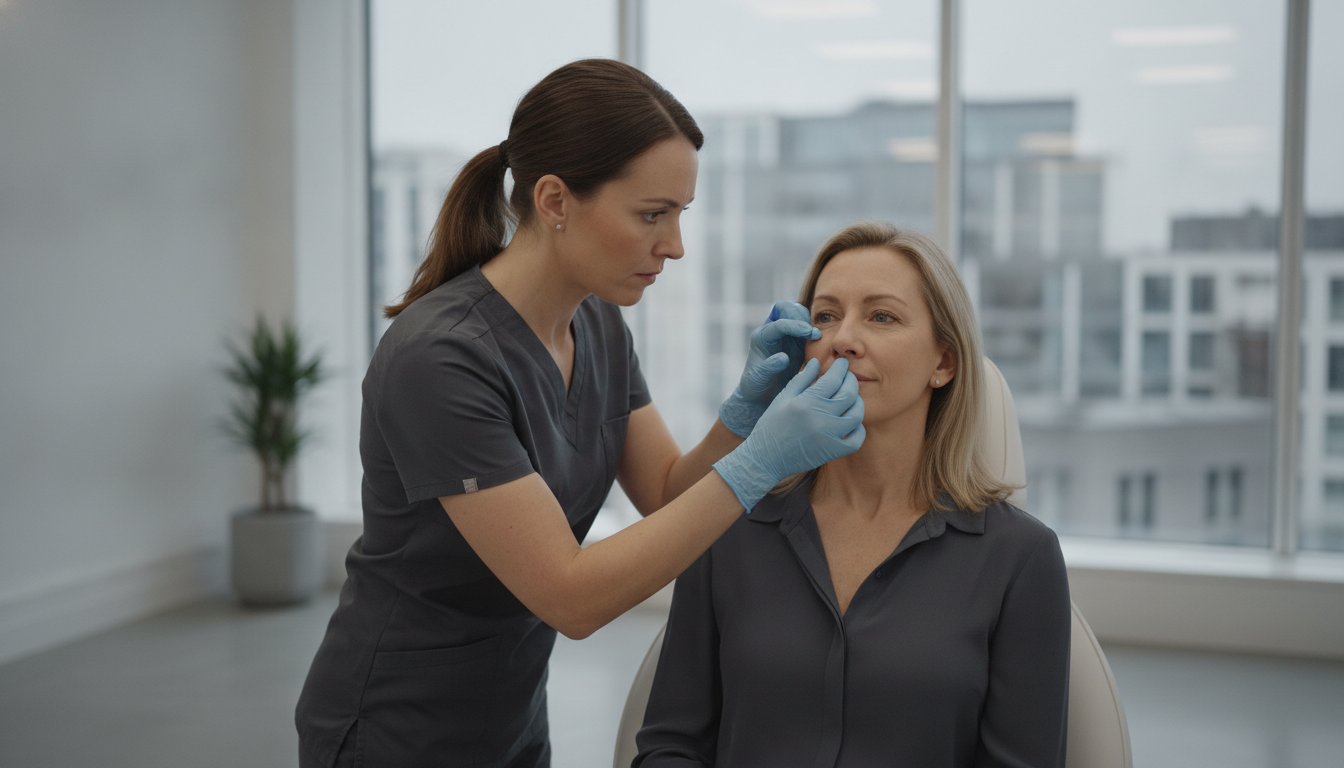

What if the most profound evolution of your clinical journey isn’t found within the oral cavity, but in the delicate, restorative artistry of facial rejuvenation? Many practitioners currently feel the heavy pull of NHS burnout and the exhaustion of high-stress environments that don’t always reflect their true expertise. It’s natural to seek a path that offers both clinical autonomy and a more harmonious pace of work. If you’re looking for aesthetics training for dentists uk, you likely value the safety of a regulated framework over the shortcuts offered by less reputable providers.
You already possess the foundational precision required for excellence; now, it’s about refining those skills into a new form of artistry. This guide explores how to transition your dental expertise into a thriving, regulated practice focused on OFQUAL-regulated qualifications and subtle, natural-looking results. We’ll examine the 2026 licensing requirements, the rise of regenerative treatments, and the definitive clinical pathway to building a predictable, high-value revenue stream that honors your professional integrity and your patients’ confidence.
Key Takeaways
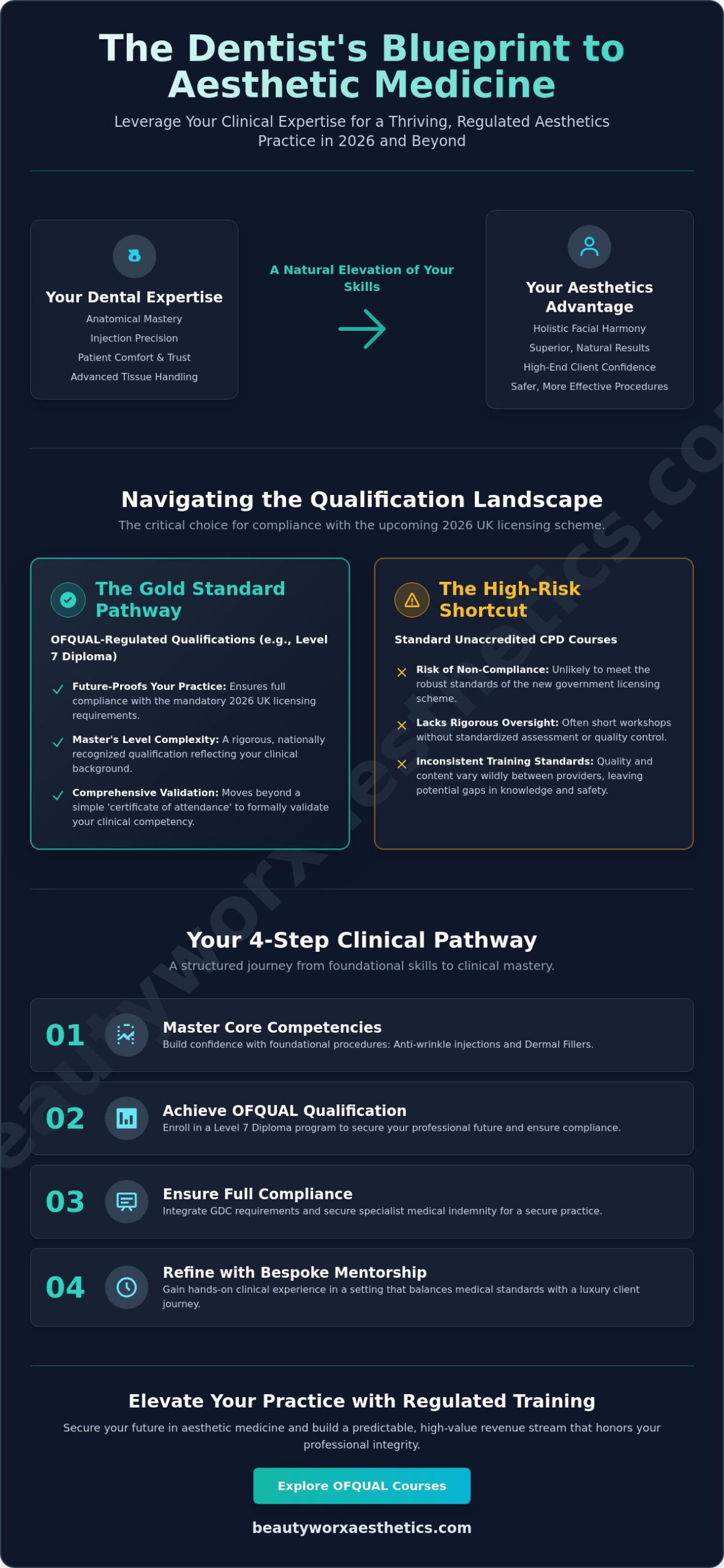
- Recognize how your existing mastery of facial anatomy and injection precision provides a natural, clinical advantage when transitioning into restorative aesthetic medicine.
- Identify the critical differences between standard CPD and OFQUAL-regulated qualifications to ensure your practice remains compliant with the 2026 licensing requirements.
- Discover the most effective aesthetics training for dentists uk to master foundational procedures, including anti-wrinkle injections and dermal fillers, with confidence and grace.
- Navigate the essential requirements for GDC compliance and specialist medical indemnity to build a practice that is as secure as it is professionally rewarding.
- Understand the value of bespoke mentorship and hands-on clinical experience in a setting that balances rigorous medical standards with a high-end, luxury client journey.
The Natural Synergy: Why Dentists are the Gold Standard for Aesthetic Medicine
Your journey from restorative dentistry to aesthetic medicine isn’t a pivot away from your training; it’s a natural elevation of it. Dentists are already experts in the mid-to-lower face, spending their careers managing the intricate balance between function and form. This deep familiarity with the oral and perioral regions makes the transition from intra-oral work to extra-oral procedures a logical clinical progression. When you pursue aesthetics training for dentists uk, you aren’t starting from scratch. You’re simply applying your existing precision to a different canvas. The superior aesthetic outcomes delivered by dental professionals in 2026 are the direct result of a career spent perfecting microscopic hand-eye coordination within the most complex anatomical structures of the human body.
Anatomical Mastery and Injection Precision
Daily dental practice is a masterclass in fine-motor control. Whether you’re performing endodontic surgery or placing a delicate composite, your hands are accustomed to working within millimeter-thin margins. This level of dexterity is exactly what’s required for placing dermal fillers or toxin with the accuracy that patients now demand. A comprehensive Aesthetic Medicine Overview reveals that safety and precision are the pillars of the industry, and dentists are uniquely equipped to uphold these standards. Your existing rapport with patients also provides a foundation of trust that is essential for high-end aesthetic consultations.
- Nerve Architecture: You already understand facial nerve pathways through your extensive experience with blocks and infiltrations.
- Patient Comfort: Your mastery of local anesthesia ensures that aesthetic procedures are as comfortable as they are transformative.
- Tissue Handling: You have a tactile understanding of different tissue layers, which is vital for placing product at the correct depth to achieve vitality and balance.
The Aesthetic Eye: From Smile Design to Total Facial Harmony
The concept of “Smile Design” has always been about more than just teeth; it’s about how those teeth support the lips and frame the face. By expanding your repertoire into facial aesthetics, you can offer a truly holistic approach to rejuvenation. Instead of treating a single wrinkle as an isolated symptom, you have the clinical discernment to see the face as an integrated system of volume, shadow, and light. This “full face” perspective is what separates a technician from an artisan. In the context of aesthetics training for dentists uk, this means learning to enhance a patient’s natural features while preserving their unique facial mobility and character. You are treating the face as a canvas, ensuring that every restoration contributes to a sense of clarity and youthful restoration.
Navigating the Qualification Landscape: OFQUAL vs. CPD for Dental Professionals
The regulatory environment in the UK is undergoing a profound transformation, moving away from a historically fragmented market toward a structured, safer future. As the government implements the new licensing scheme empowered by the Health and Care Act 2022, the choice of training pathway becomes a matter of long-term professional security. For a clinician, understanding the importance of OFQUAL regulation is the first step in future-proofing a practice. While many providers offer short, unaccredited workshops, these often lack the rigorous oversight required to meet upcoming standards. Choosing a regulated path ensures your credentials remain valid as the industry shifts toward mandatory licensing for high-risk procedures.
A Level 7 Diploma represents the pinnacle of aesthetics training for dentists uk, reflecting a Master’s level of complexity that aligns with your existing clinical background. This isn’t merely a certificate of attendance; it’s a comprehensive validation of your ability to perform complex injectable treatments with artistic discernment and medical safety. Much like the academic rigor found in the King’s College London Aesthetic Dentistry MSc, a regulated Level 7 qualification demands evidence-based practice and a deep commitment to patient outcomes.
The Level 7 Diploma: The Gold Standard in Clinical Injectables
The Level 7 curriculum is designed to bridge the gap between dental precision and aesthetic mastery. It moves beyond basic injection techniques to cover advanced facial anatomy, the psychology of aesthetics, and the meticulous management of complications. You’ll engage in a structured journey involving theoretical study, clinical observation, and hands-on practice under the guidance of expert mentors. This pathway is increasingly favored by medical professionals who recognize that “fast-track” options don’t provide the depth needed to handle the nuances of facial restoration. It’s about building a foundation of excellence that patients can sense the moment they enter your clinic.
CPD Certification: When is it Appropriate?
Continuing Professional Development (CPD) still holds a vital place in your career, particularly for refining specific techniques once your foundational training is complete. CPD-accredited masterclasses are ideal for focusing on specialized areas, such as the artful application of lip augmentation filler or learning the latest regenerative skin boosters. However, these short courses should complement a regulated diploma rather than replace it. When evaluating an academy, look for those that view CPD as part of an ongoing partnership in self-care and professional growth. If you’re ready to secure your place in this evolving industry, exploring a Level 7 Diploma in Clinical Aesthetic Injectable Treatments is the most reliable way to ensure your skills meet the highest national standards.
Core Competencies: Essential Aesthetic Procedures for Modern Dentists
Building a successful aesthetics practice requires a tiered approach to clinical mastery, ensuring each new skill is anchored by a deep understanding of facial harmony. Your journey usually begins with Foundation Anti-Wrinkle Injections, focusing on the upper face to soften dynamic lines while preserving the natural animation that defines a patient’s personality. From there, you’ll naturally progress to Dermal Fillers, which allow you to restore volume and contour within the mid-face and perioral areas. This structured path in aesthetics training for dentists uk ensures you develop the confidence to handle more complex, high-risk procedures like tear trough rejuvenation and non-surgical rhinoplasty with the precision your dental background has already fostered.
Clinical excellence is inseparable from safety. While your dental training provides a robust foundation in infection control and anatomy, the specific risks associated with injectables require specialized knowledge. Enrolling in a complications management course is a vital step for any practitioner. It provides the technical protocols and the peace of mind necessary to manage rare but serious adverse events, such as vascular occlusions, with the calm authority of a seasoned medical professional.
Mastering the Perioral Area
The perioral region is where dentistry and aesthetics achieve their most beautiful synergy. You can enhance a restorative smile makeover by subtly addressing smoker’s lines or marionette lines that may detract from the final dental result. The goal is always the “No-Trace” look, a sophisticated approach that prioritizes natural-looking restoration over artificial change. By using your expertise in local anesthesia, you can provide a comfortable experience for lip enhancement, ensuring the result is a discreet, balanced improvement that preserves the patient’s inherent features.
Broadening Your Scope: Skin Rejuvenation and Wellness
In 2026, the UK aesthetics market is valued at £3.6 billion, with a significant shift toward regenerative medicine. Patients are increasingly seeking treatments that improve skin quality at a cellular level. Integrating polynucleotide treatment into your clinic allows you to address tissue repair and hydration beyond what traditional fillers can achieve. This holistic approach often extends into wellness, where Vitamin B12 injection training enables you to support your patients’ overall vitality. By combining these with chemical peels or skin needling, you create a comprehensive partnership in self-care that mirrors the long-term relationship you already maintain with your dental patients.
Compliance and Practice Integration: Setting Up Your Aesthetic Clinic
Integrating aesthetics into your professional life requires a meticulous approach to regulation. The General Dental Council (GDC) expects you to work strictly within your scope of competence, which means your aesthetics training for dentists uk must be robust, verifiable, and clinical in nature. Beyond basic competency, you’ll need to secure specialist medical indemnity insurance. Standard dental policies rarely cover non-surgical cosmetic procedures by default; therefore, a specific rider or a dedicated aesthetics policy is essential to protect both your professional reputation and your patients’ wellbeing.
Navigating the legalities of Botulinum Toxin is another critical pillar of a successful setup. As a Prescription-Only Medicine (POM), it requires a mandatory face-to-face consultation before any prescription is issued. Following the regulatory changes that came into effect in 2025, remote prescribing is no longer a compliant practice. This ensures every patient receives a thorough clinical assessment, reinforcing the safety-first culture that defines a high-end practice. When you begin marketing to your existing patient base, do so with sophistication. Frame these services as a natural extension of your restorative care, focusing on subtle enhancement and the preservation of their inherent features.
The Consultation Process: Clinical Assessment vs. Cosmetic Desire
A successful aesthetic consultation is a delicate balance of medical screening and artistic vision. It’s your responsibility to conduct a thorough psychological assessment to identify signs of Body Dysmorphic Disorder (BDD) or unrealistic expectations. Managing these expectations is an art form; sometimes, the most professional decision you can make is to decline treatment. High-quality clinical photography serves as more than just documentation. It’s a tool for transparency and trust, allowing you to track subtle, authentic results and ensuring your patient is aligned with the long-term journey toward self-confidence.
Clinic Logistics and Safety Protocols
Your treatment environment should mirror the calm, luxury atmosphere of a high-end boutique while maintaining the sterile standards of a surgical suite. Every practitioner must have a dedicated complications kit on hand, containing hyaluronidase and established emergency protocols. This readiness projects an image of meticulous discernment and safety. Don’t underestimate the value of ongoing mentorship during this transition. Your first 10 cases are the most critical for building clinical confidence and refining your technique. if you’re ready to anchor your new career in clinical excellence, our Level 7 Diploma in Clinical Aesthetic Injectable Treatments offers the structured support and regulated framework required for a seamless integration into your practice.
The Beauty Worx Aesthetics Advantage: Bespoke Mentorship for Dental Professionals
Choosing the right environment for your transition is as critical as the clinical skills themselves. Many clinicians researching aesthetics training for dentists uk find themselves overwhelmed by high-volume providers that can feel like training factories. At Beauty Worx Aesthetics, we reject the “one-size-fits-all” model in favor of bespoke mentorship. We limit our group sizes to ensure you receive the focused, individual attention of a specialist who views their craft as both a science and an art form. This intimate setting allows for a rhythmic, steady flow of learning that mirrors a professional consultation, ensuring you feel both safe and empowered as you develop your new expertise.
Our philosophy is built on the delicate balance between clinical excellence and high-end luxury. We don’t just teach you how to inject; we guide you through the emotional journey of the patient, prioritizing their self-confidence and the preservation of their inherent features. Discerning medical professionals prefer our Level 7 pathway because it offers a logical progression from theory to practice, supported by comprehensive online portals and ongoing clinical guidance from Beauty Worx Aesthetics. This isn’t a one-off transaction. It’s a partnership designed to foster a sense of reliability and transparency as you build your new practice.
Practical Experience with Live Models
While some courses rely on “plastic head” simulations, we believe this is insufficient for a professional with your level of anatomical knowledge. Real skin, with its unique variations in elasticity and vitality, is the only way to build true clinical confidence. During your training, you’ll perform supervised injections on live models, allowing you to develop the muscle memory required for subtle, natural-looking results. To complete the Level 7 Diploma in Clinical Aesthetic Injectable Treatments, you’ll fulfill rigorous case study requirements that demonstrate your ability to provide safe, effective, and meticulously documented care.
A Partnership in Professional Growth
Our “expert artisan” approach means your education doesn’t end when you receive your certificate. We’re committed to your long-term success through the Beauty Worx Aesthetics alumni network, providing a community of like-minded professionals who value artistic discernment and clinical safety. We act as a knowledgeable guide, helping you navigate the complexities of the 2026 aesthetics landscape without pressure or aggressive marketing jargon. If you’re ready to evolve your career with a focus on restoration and graceful aging, explore our Level 7 Diploma and start your transition today. Together, we’ll ensure your work is always discreet, tailored, and professionally rewarding.
Elevating Your Artistry: The Future of Your Clinical Practice
The evolution into aesthetic medicine is a journey that honors your existing surgical precision while inviting a new level of creative fulfillment. By aligning your anatomical expertise with the rigorous standards of OFQUAL-regulated qualifications, you ensure your practice remains both legally secure and clinically superior. The shift toward mandatory licensing in 2026 underscores the necessity of choosing a pathway that prioritizes patient safety and subtle, natural-looking results. Whether you’re seeking to refine your perioral techniques or master full-face rejuvenation, the right aesthetics training for dentists uk acts as your bridge to a more balanced and rewarding professional life.
At Beauty Worx Aesthetics, we provide the expert mentorship from lead practitioners and the clinical depth required for this transition. Our curriculum spans from OFQUAL Regulated Level 7 Qualifications to focused CPD Accredited Training, ensuring every step you take is anchored in authority and artistic discernment. It’s time to transform your expertise into a legacy of confidence and vitality. View our OFQUAL-Regulated Aesthetics Courses for Dentists and begin your partnership in professional excellence today. Your path to clinical autonomy and aesthetic mastery starts here.
Frequently Asked Questions
Do I need to be a GDC-registered dentist to take these courses?
You must be a GDC-registered professional to enroll in our specialized dental aesthetic pathways. This requirement ensures that all practitioners share a common foundation in clinical governance, facial anatomy, and patient care standards. Maintaining your registration is essential for accessing the advanced levels of aesthetics training for dentists uk that we provide, as it confirms your standing as a regulated healthcare professional.
Can I perform aesthetic treatments in my existing dental surgery?
You can perform these treatments in your existing surgery, provided the environment meets the local authority licensing requirements introduced in 2026. While dental surgeries are already high-standard clinical spaces, you may need to ensure your premises license specifically covers non-surgical cosmetic procedures. Creating a dedicated, luxury-feeling zone within your practice can also enhance the patient’s emotional journey toward self-confidence and restoration.
How much can a dentist realistically earn from aesthetics in the UK?
Realistic earnings for self-employed aesthetic practitioners in the UK typically range between £60,000 and £150,000 or more annually. This potential reflects the high-value nature of these services compared to the average earnings of a self-employed dentist, which sat at £78,200 according to 2024 data. By integrating a predictable, high-value revenue stream, you can achieve greater financial autonomy while maintaining a focus on clinical excellence.
Which aesthetics course is best for a complete beginner in dentistry?
The Foundation Anti-Wrinkle Injections Course is the ideal entry point for a dentist beginning their aesthetic journey. It focuses on the upper face, allowing you to master the most requested treatments while building clinical confidence with the toxin. Starting with these foundational skills provides a secure platform before you progress toward more complex restorative procedures or a full Level 7 Diploma.
Do I need to complete a Level 7 Diploma to practice aesthetics legally?
As of June 2026, there is no legal requirement to hold a Level 7 Diploma to practice aesthetics in the UK. However, the government’s new licensing scheme emphasizes mandatory, standardized training, making OFQUAL-regulated qualifications the most reliable way to future-proof your career. Choosing a Level 7 pathway demonstrates a commitment to Master’s level complexity and ensures you remain compliant as regulations evolve toward stricter oversight.
How does aesthetic insurance differ from my standard dental indemnity?
Aesthetic insurance is a distinct form of medical malpractice cover that is not typically included in standard dental indemnity policies by default. You must secure a specialist policy that specifically details the non-surgical cosmetic procedures you intend to perform within your practice. This ensures that your professional integrity is protected by a framework designed for the unique risks and outcomes of aesthetic medicine rather than traditional dentistry.
What happens if I encounter a vascular occlusion during treatment?
If you encounter a vascular occlusion, you must immediately implement the emergency protocols learned during your training, which include the use of hyaluronidase to dissolve the filler. Having a dedicated complications kit on hand is a non-negotiable standard for any safe practice. Our Complications Management Course provides the technical precision and calm authority needed to manage such events, ensuring patient safety remains your absolute priority.
Is Botox training for dentists different from training for nurses or doctors?
While the core principles of botulinum toxin application are similar across medical professions, aesthetics training for dentists uk often leverages your unique mastery of the mid-to-lower face. Dentists bring an unparalleled understanding of perioral anatomy and injection precision that other practitioners may need longer to develop. Our courses emphasize this existing expertise, focusing on how to achieve total facial harmony through a blend of science and art form.














 Reviews