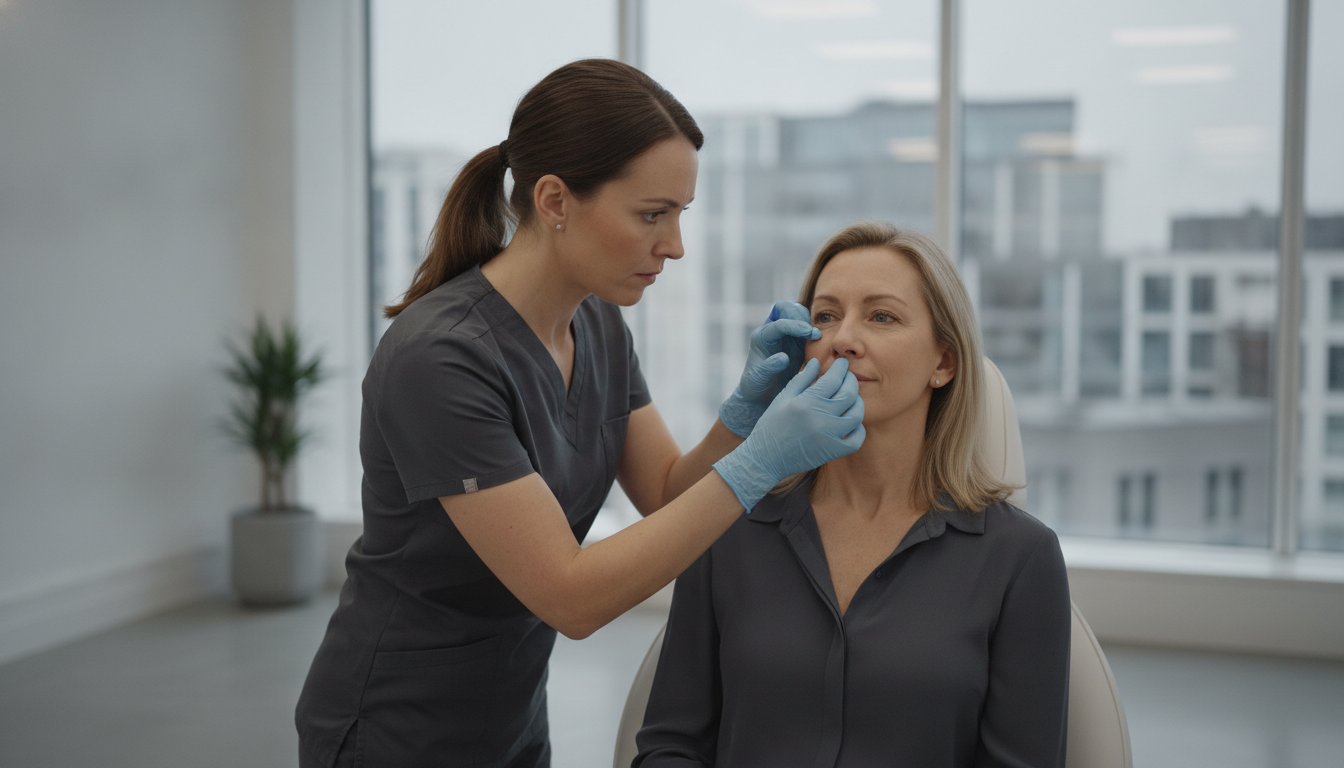

Your forty-year-old perspective isn’t a hurdle in the beauty industry; it’s actually your most valuable clinical asset. While you may feel a flicker of anxiety about being the oldest student in a classroom or feel confused by shifting UK regulations, your life experience provides a level of empathy and discernment that younger practitioners haven’t yet developed. You understand the nuances of graceful aging because you’re living them, making you the ideal guide for clients seeking subtle, natural-looking results.
A career change to aesthetics at 40 offers a rare opportunity to blend clinical precision with high-end luxury, moving away from the burnout of traditional roles toward a life of professional autonomy. This guide clarifies the path to success, ensuring you meet the mandatory licensing requirements coming into effect in July 2026. We’ll explore a clear roadmap through regulated qualifications, from foundational skin treatments to the prestigious Level 7 Diploma in Clinical Aesthetic Injectable Treatments, allowing you to build a practice rooted in safety and artistic excellence.
Key Takeaways
- Discover why your life experience is a premium asset that builds immediate trust with clients seeking subtle, sophisticated results.
- Master the regulated hierarchy from Level 4 Skin Needling to the Level 7 Diploma to ensure your practice remains fully compliant with upcoming UK licensing laws.
- Learn how to navigate a successful career change to aesthetics at 40 by balancing your current professional commitments with a structured, part-time training roadmap.
- Explore the artisan mindset of non-surgical enhancement, focusing on preserving inherent beauty through meticulous, evidence-based clinical techniques.
- Understand why hands-on experience with live models and ongoing clinical mentorship are the essential foundations for a safe and prosperous first year in practice.
Is 40 Too Late to Start a Career in Aesthetics?
The idea that clinical excellence belongs solely to the young is perhaps the most persistent myth in the beauty sector. In reality, a career change to aesthetics at 40 isn’t just possible; it’s often the most strategic time to enter the field. While the era of “fast-track” beauty trends is fading, the industry is pivoting toward a model of clinical integrity and patient safety. Clients aren’t looking for a quick fix from a novice. They’re seeking an expert artisan who understands the weight of a decision to alter one’s appearance. You aren’t starting behind. You’re arriving exactly when the market needs your specific brand of composure.
Leaving a secure, long-term career for a new passion can feel like a leap of faith. It’s natural to feel a flicker of anxiety about returning to a classroom environment. However, this transition is a calculated move into a luxury sector that rewards expertise and emotional maturity. The UK aesthetics market is currently valued at over £3.6 billion and continues to grow at an annual rate of 10.2%. This growth is driven by a demand for sophisticated, natural-looking results, a goal that requires the steady hand and discerning eye of a mature practitioner.
The Evolving Landscape of UK Aesthetics
The UK market is currently undergoing a seismic shift toward professionalisation. By July 2026, new legislation will require all practitioners performing cosmetic injectables to be registered, accredited, and fully compliant. This regulatory clarity provides a secure, structured environment where maturity is protected by law rather than sidelined by trends. Understanding What is Aesthetic Medicine? helps frame this as a serious clinical pursuit. In this new landscape, the “Midlife Advantage” is your greatest asset. You possess the patience to navigate regulated pathways, such as the Level 7 Diploma, which younger entrants might try to bypass.
Why Your Life Experience is a Clinical Asset
Your history is your edge. Whether you’re coming from a corporate boardroom, a school environment, or a busy NHS ward, your ability to conduct a nuanced consultation is already refined. High-spending clients, often in their 40s and 50s themselves, naturally gravitate toward practitioners who mirror their own life stage. They want to discuss skin vitality and restoration with someone who understands the nuances of aging personally. This built-in rapport creates a “Trust Factor” that’s difficult to manufacture in your twenties.
- Emotional intelligence: You can read a client’s unspoken anxieties and manage expectations with grace.
- Transferable skills: Decades of professional experience make managing clinic overheads and patient records second nature.
- Risk management: A mature practitioner prioritises safety and complications management over high-volume, risky procedures.
Choosing a career change to aesthetics at 40 allows you to leverage these soft skills in a way that directly impacts your clinical success. You aren’t just learning how to inject; you’re learning how to curate a long-term partnership in self-care for your clients.
Why Maturity is a Competitive Advantage in Clinical Practice
The “Trust Factor” is an invisible currency in the aesthetic clinic. When a patient in their fifties walks into a consultation room, they’re often seeking more than just a procedure; they’re looking for a peer who understands the emotional weight of their journey. A practitioner who has navigated the same life stages naturally projects a sense of calm authority. This shared perspective is why a career change to aesthetics at 40 is so effective. You aren’t just selling a service. You’re offering a partnership in self-care that feels authentic and grounded.
This maturity fosters a true artisan approach to facial aesthetics. While younger injectors might be tempted by the latest social media trends, a mature practitioner understands that beauty is often found in restoration rather than radical change. You possess the eye for detail required to preserve a client’s inherent features while subtly enhancing their natural vitality. It’s a meticulous process. It requires poise. A career change to aesthetics at 40 allows you to enter the market with a level of professional discernment that younger practitioners often spend years trying to cultivate.
The Psychology of the Aesthetics Client
The high-end aesthetics market is dominated by the 40-60 age demographic. These clients have significant disposable income but also high expectations for professionalism and safety. They value a consultation that feels thorough and empathetic, not rushed or purely transactional. By mirroring your client’s demographic, you remove the barrier of “generational disconnect.” You speak their language of subtle improvement and long-term skin health. This natural rapport makes the patient feel both safe and pampered.
Emotional Resilience and Complications Management
Clinical practice isn’t always about the perfect result; it’s about how you handle the unexpected. Older practitioners generally possess the emotional resilience to manage high-pressure situations with a steady hand. Safety is the cornerstone of a luxury reputation. Investing in a complications management course isn’t just a box-ticking exercise for you. It’s a commitment to your patients’ well-being. This focus on discernment over “fads” is what builds a sustainable, high-earning business.
Your previous years in the workforce haven’t been wasted. The business acumen you’ve developed, from managing budgets to navigating complex human interactions, makes clinic management far more intuitive. If you’re ready to translate your professional history into a rewarding new chapter, exploring a foundation training programme can be the first step toward clinical independence.
Navigating the Regulated Pathways: Level 4 to Level 7
Clarity is the first step toward professional confidence. For anyone considering a career change to aesthetics at 40, the most common source of anxiety is the complex web of UK regulations. The industry is no longer a collection of unregulated workshops. It has evolved into a structured clinical hierarchy overseen by OFQUAL. This shift is a welcome change for mature entrants. It replaces ambiguity with a clear, step-by-step roadmap to clinical excellence. You aren’t just learning a trade; you’re entering a regulated profession that values your commitment to safety.
While a quick foundation course might have been enough in the past, it’s no longer the standard for a serious career. To build a sustainable, luxury practice, you must align with the forthcoming 2026 licensing requirements. This means looking beyond basic workshops and towards comprehensive aesthetic courses that offer regulated certification. The Level 7 Diploma in Clinical Aesthetic Injectable Treatments remains the gold standard. It provides the depth of knowledge required to practice with the quiet confidence of a true specialist, ensuring your patients feel both safe and pampered.
The Non-Medical Pathway: From Beginner to Expert
If you’re entering from a non-clinical background, your journey begins with the essential foundations of skin health. The Level 4 Certificate in Skin Needling and Chemical Peel Training act as your primary entry points. These aren’t just technical skills. They’re the building blocks of skin rejuvenation. Moving into the Level 5 Certificate in Aesthetic Practice allows you to deepen your anatomical understanding before progressing to more advanced treatments. This gradual, intentional progression ensures you develop the artistic discernment and clinical safety required for a successful transition. It’s about building a reputation for excellence from the very first day.
The Medical Transition: For Nurses and Doctors
For healthcare professionals, the transition is about translating existing clinical expertise into the private sector. You already possess the steady hand and patient care skills; your focus now shifts to the artistry of facial restoration. Diversifying your clinic’s offerings with vitamin b12 injection training and other wellness services allows you to provide a holistic experience. Whether you work with a prescriber partner or pursue independent prescribing, your medical background combined with a career change to aesthetics at 40 positions you as an elite practitioner. You’re not just changing jobs. You’re evolving your practice into a sophisticated clinical art form.
Balancing the Transition: Training, Time, and Financial Reality
Transitioning into a new field at midlife requires a strategy that respects your existing financial commitments. A career change to aesthetics at 40 doesn’t necessitate an immediate resignation from your current role. Most successful practitioners adopt a phased approach, treating their education as a high-value investment rather than a sudden leap. This allows you to build clinical confidence and a loyal patient base while maintaining the security of a steady income. It’s about a graceful pivot, not a frantic scramble.
The transition from “clinic days” to full-time practice is a journey of professional refinement. In the beginning, you might dedicate one or two Saturdays a month to treating private clients, gradually increasing your hours as your reputation for safety and artistry grows. This slow build is actually a competitive advantage. It allows you to focus on the quality of each consultation, ensuring every patient feels safe and pampered in your care. You aren’t just filling a diary; you’re cultivating a luxury brand rooted in your own professional history.
Phased Career Transitions
Success in aesthetics is built on a foundation of skin health. Many practitioners begin by mastering advanced skin rejuvenation techniques, such as polynucleotide treatment, which focuses on cellular restoration rather than structural change. As your proficiency with needles and facial anatomy increases, you can naturally progress to more complex procedures like lip augmentation filler and anti-wrinkle services. This step-by-step expansion ensures you never feel overwhelmed, maintaining the poise and empathy your clients expect.
The Cost of Excellence
At 40, you understand that cheap, unaccredited courses are a false economy. The real cost of entry includes high-quality insurance, premium products, and, most importantly, ongoing clinical mentorship. Investing in regulated, OFQUAL-approved training protects your future practice from the legislative changes arriving in 2026. In the current regulatory climate, most practitioners find that a comprehensive transition to a Level 7 qualification requires a commitment of twelve to eighteen months to balance clinical mastery with professional obligations. This timeframe ensures you emerge not just as a technician, but as a trusted artisan of the craft.
If you’re ready to begin this journey with a focus on clinical precision, exploring a Foundation Anti-Wrinkle Injections Course can provide the structured start your new career deserves.
Choosing Your Academy: Why Beauty Worx Aesthetics is Your Partner
The final step in your career change to aesthetics at 40 is selecting a training partner that mirrors your professional standards. You aren’t looking for a “fast-track” workshop that prioritises volume over value. You need an environment where clinical safety and high-end luxury coexist, allowing you to learn with the same poise you intend to bring to your own practice. At Beauty Worx Aesthetics, we provide a “Clinical Luxury” setting. This allows you to train in the exact type of upscale, serene environment you aspire to work in, ensuring you feel both safe and pampered as you master your new craft.
Theoretical knowledge is merely the foundation of a successful career. The true artistry of aesthetics is refined through live model practice under the watchful eye of a trusted, expert artisan. Our mentorship extends far beyond your final assessment. We understand that the first year of practice is when you’ll face the most nuanced questions. Having a specialist guide to help you navigate complex consultations ensures your patients always receive subtle, authentic results. This ongoing partnership in self-care is what defines the Beauty Worx Aesthetics experience.
Our Regulated Qualifications
We offer meticulously structured pathways from the Level 4 Certificate in Skin Needling to the prestigious Level 7 Diploma in Clinical Aesthetic Injectable Treatments. Our curriculum is designed for the modern professional who values flexibility without compromising on depth. You can access our comprehensive online theory portals at your own pace, ensuring your education fits seamlessly around your current life commitments. All our trainers are active, experienced practitioners who treat patients daily. They share real-world insights and clinical nuances that only come from years of dedicated practice in the UK market.
Join a Community of Mature Professionals
You don’t have to navigate this midlife transition alone. The Beauty Worx Aesthetics alumni network connects you with a supportive community of like-minded career changers who value professional integrity and artistic discernment. This network provides a sense of reliability and transparency as you build your own brand. We invite you to join us for a professional consultation to discuss your specific career roadmap. It’s time to translate your life experience into a rewarding, sophisticated new chapter. Begin your career transformation with Beauty Worx Aesthetics and step into a future of clinical excellence.
Your Professional Evolution into Clinical Artistry
Embracing a career change to aesthetics at 40 is a decision to value your maturity as much as your clinical skill. You’ve discovered that your life experience isn’t just a background; it’s the foundation of the trust your future patients will place in you. By following the regulated pathways from Level 4 to the Level 7 Diploma, you ensure your practice meets the highest standards of safety and professionalism required in the evolving UK landscape. This transition isn’t a race to the finish. It’s a meticulous journey toward becoming a respected artisan in a thriving luxury sector.
At Beauty Worx Aesthetics, we support this transition with OFQUAL Regulated Qualifications and a portfolio of 25+ CPD Accredited Courses. You’ll benefit from expert mentorship from active practitioners who understand the nuances of the current market. This ensures your training is grounded in real-world excellence and artistic discernment. It’s time to move toward a career that offers both financial independence and the deep satisfaction of helping others age with grace and confidence.
Explore our OFQUAL Regulated Aesthetics Courses and take the first step toward your new professional chapter. Your future in aesthetics is waiting; we’re here to guide you with poise and expertise every step of the way.
Frequently Asked Questions
Is 40 too old to become an aesthetic practitioner?
Forty is an ideal age to enter the industry because maturity is a premium asset in clinical consultations. Patients often prefer practitioners who understand the nuances of aging firsthand. Your life experience allows you to manage patient expectations with poise and empathy, ensuring every client feels safe and understood throughout their journey toward self-confidence.
Can I perform botox and fillers at 40 without a medical degree?
You can certainly perform injectable treatments without a medical degree by following the established OFQUAL regulated pathways. While the industry is moving toward stricter licensing in July 2026, non-medics can qualify through structured certifications like the Level 7 Diploma. This ensures you possess the anatomical knowledge and clinical precision required to provide safe, natural-looking results for your clients.
How long does it take to change careers to aesthetics?
A comprehensive career change to aesthetics at 40 typically requires twelve to eighteen months to achieve a Level 7 qualification. This timeframe allows you to balance your current professional commitments while mastering complex clinical techniques. Shorter foundation courses exist for initial treatments, but reaching the gold standard of practice is a steady, rewarding process of refinement that prioritizes patient safety.
What is the most respected qualification for an aesthetician?
The Level 7 Diploma in Clinical Aesthetic Injectable Treatments is widely recognized as the industry’s gold standard for all practitioners. This qualification demonstrates a master’s-level understanding of facial anatomy, skin health, and complications management. Holding this diploma signals to high-end clients that you are a trusted expert who prioritizes clinical safety and artistic excellence over quick trends.
How much can an aesthetics practitioner earn in the UK?
Earnings vary based on experience and clinic location, but the financial potential in this luxury sector is significant. While an average aesthetic nurse earns around £41,557 per year, experienced self-employed practitioners can earn between £60,000 and £100,000 or more. Your existing business acumen from a previous career often helps you reach these higher income tiers more efficiently by managing clinic overheads with precision.
Do I need a medical prescriber if I am a non-medic?
Yes, if you are a non-medic, you must work with a qualified prescriber to obtain prescription-only medicines like botulinum toxin. This partnership is a standard safety requirement in the UK that ensures every patient undergoes a face-to-face consultation with a medical professional. Many practitioners build long-term, collaborative relationships with prescribers to maintain a seamless, professional service for their aesthetic clients.
Is the aesthetics industry too saturated for new practitioners?
The UK market is growing at 10.2% annually, so there is ample space for practitioners who focus on quality and safety. While the low-cost end of the market is crowded, there is a consistent shortage of expert artisans who offer sophisticated, natural results. A career change to aesthetics at 40 allows you to occupy this high-end niche where patients value life experience and clinical integrity.
What is the difference between CPD accredited and OFQUAL regulated?
OFQUAL regulated qualifications are formal, government-backed certifications that meet specific educational standards, whereas CPD accreditation focuses on ongoing professional development. For a successful career change to aesthetics at 40, starting with OFQUAL regulated levels is essential for future licensing compliance. CPD courses are excellent for refining specific skills, such as a lip masterclass, once your clinical foundation is securely established.











 Reviews