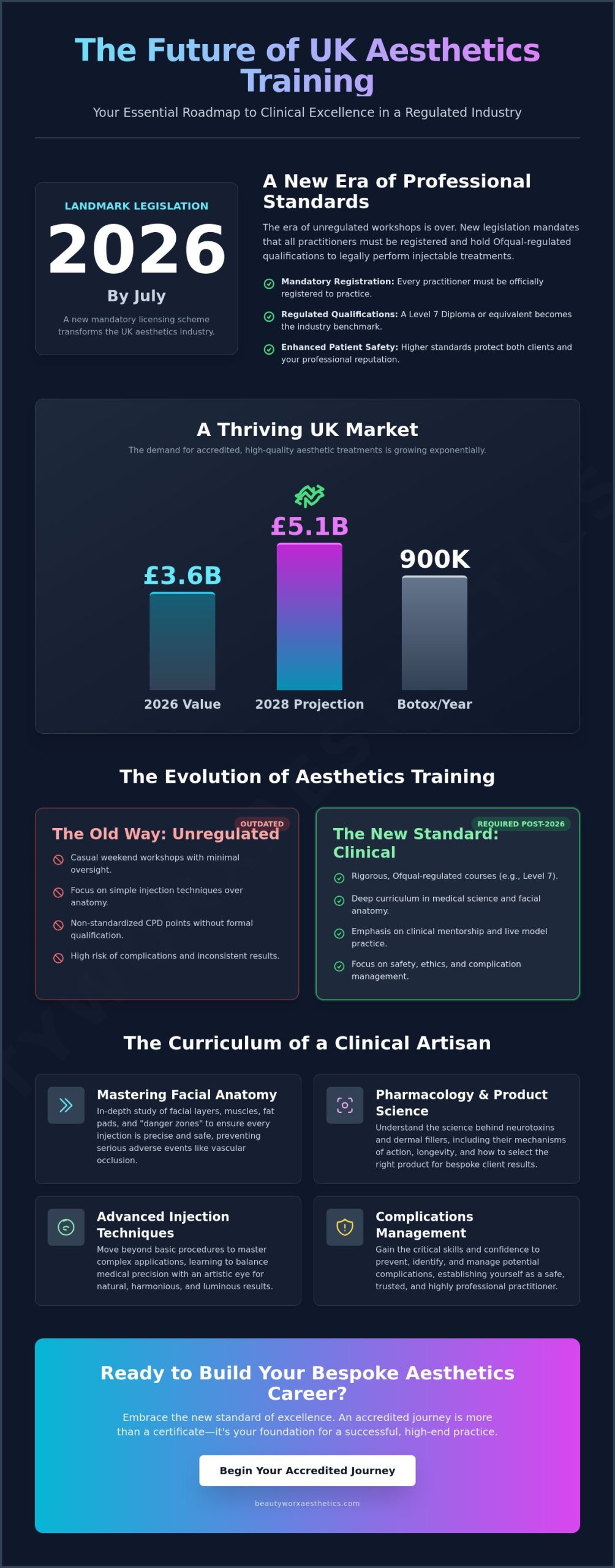
By July 2026, the UK aesthetics industry will undergo a definitive shift as new legislation mandates that every practitioner must be registered and hold Ofqual-regulated qualifications to legally perform injectables. This transition marks the end of unregulated workshops and the beginning of a more meticulous, professional era. You likely feel the weight of these upcoming changes; perhaps you’re anxious about the leap from theory to treating live models or confused by the specific requirements for a Level 7 qualification. Understanding what to expect from aesthetics training is the first step in replacing that uncertainty with the quiet confidence of a clinical artisan.
Your professional evolution deserves a pathway that balances rigorous medical science with the delicate touch of aesthetic artistry. We’ll show you how an accredited journey provides more than just a certificate; it offers a comprehensive roadmap to mastering complications and achieving luminous, natural-looking results for your future clients. This guide explores the essential standards of modern training, the importance of face-to-face consultations, and how you can thrive in a market projected to reach £5.1 billion by 2028.
Key Takeaways
- Understand the transition from beauty therapy to a clinical discipline where medical safety and artistic discernment define your professional identity.
- Discover how a rigorous curriculum in facial anatomy and pharmacology ensures you achieve the subtle, refreshed results that modern clients demand.
- Clarify the complexities of UK legislation and learn exactly what to expect from aesthetics training when pursuing Ofqual-regulated qualifications like the Level 7 Diploma.
- Realize the value of clinical mentorship and live model practice in bridging the gap between theoretical knowledge and confident, hands-on expertise.
- Explore the essential business foundations needed to launch a bespoke aesthetics practice, from managing complications to establishing a unique brand signature.
The Evolution of Aesthetics Training: More Than Just a Skill Set
The era of the casual weekend workshop has come to a definitive end. As the UK moves toward the landmark July 2026 legislation, the industry is shedding its image as a mere extension of beauty therapy. It’s maturing into a disciplined clinical field. This shift represents The Evolution of Aesthetics Training from a supplementary skill into a rigorous medical journey. When you begin to explore what to expect from aesthetics training, you must prepare for a transformation that prioritizes patient safety and anatomical mastery over simple injection techniques. You aren’t just learning to use a needle; you’re learning to carry the responsibility of a clinical practitioner.
Modern training pathways are now designed to meet the mandatory higher-level qualifications required for practitioner registration. With the UK non-surgical market valued at approximately £3.6 billion in 2026, the demand for accredited expertise has never been higher. This evolution ensures that every procedure, from a foundation anti-wrinkle treatment to a complex dermal filler application, is rooted in science. It’s a career-defining journey that replaces the “quick fix” mentality with a long-term commitment to clinical excellence.
The Clinical Artisan Philosophy
We believe the human face is a delicate canvas that requires a rare blend of medical precision and an artistic eye. A sophisticated training program teaches you to see beyond the surface, understanding how neurotoxins and dermal fillers interact with the unique architecture of each client. The goal is always to reveal the best version of you for every patient you treat. By mastering the balance between science and artistry, you learn to deliver results that are refreshed, luminous, and harmonious. This approach ensures that enhancements are subtle and bespoke; they should never look artificial or forced.
Why Standards Matter in 2026
The introduction of the 2026 licensing scheme means that holding an Ofqual-regulated qualification is no longer optional; it’s the baseline for professional survival. High standards protect your reputation as much as they protect your clients. With approximately 900,000 Botox treatments performed annually in the UK, the margin for error is non-existent. Part of what to expect from aesthetics training is the emotional transition from a student to a trusted expert who prioritizes long-term skin health. As you progress toward a Level 7 Diploma, you gain the confidence to manage complications and provide the safe, luxury experience that modern, discerning clients expect. This commitment to excellence is what builds a sustainable, high-end practice in a competitive 2026 landscape.
The Curriculum of an Aesthetic Practitioner: Science Meets Artistry
Entering a professional training program is about more than memorizing injection points; it’s about developing the discerning eye of an expert artisan. When considering what to expect from aesthetics training, you should look for a curriculum that marries deep medical theory with the nuance of facial assessment. You’ll study the intricate layers of facial anatomy, learning how muscles, fat pads, and vessels interact to create the unique character of a face. This isn’t just about learning where to place a needle. It’s about understanding the “why” behind every movement to ensure results are both safe and luminous.
A cornerstone of professional practice is ethical consent and patient selection. The UK government’s focus on Navigating Regulations highlights the shift toward mandatory face-to-face consultations, ensuring every patient’s journey is both bespoke and compliant. You’ll learn to identify ageing patterns and see the delicate balance required to enhance natural beauty without over-treating. This ethical foundation ensures you act as a knowledgeable guide, helping clients navigate their options without pressure while prioritizing their long-term skin health.
Mastering Facial Anatomy
Precision is non-negotiable in a clinical environment. You’ll spend significant time identifying “danger zones” where major arteries and nerves reside, ensuring every procedure is performed with meticulous care. A deep understanding of facial anatomy is the primary safeguard against vascular occlusion and other rare but serious adverse events. You’ll learn to navigate different planes of injection, from deep supraperiosteal placement for structural support to superficial intradermal work for fine lines. This technical mastery is what allows you to achieve the best version of you for every client you treat.
The Science of Product Selection
Not all fillers or neurotoxins are created equal. You’ll dive into the world of rheology, studying G-prime and viscosity to understand why a high-cohesivity gel is ideal for structural cheek enhancement while a softer, more fluid product is essential for a subtle lip augmentation. This scientific approach ensures you choose the right tool for each bespoke treatment plan. Understanding how different brands interact with human tissue allows you to deliver results that are refreshed, harmonious, and undetectable.
For a deeper look at how these products create transformative results, explore our guide on Facial Aesthetics: The Sophisticated Guide to Non-Surgical Enhancement. If you’re ready to begin your own professional transformation, our Foundation Anti-Wrinkle Injections Course offers the perfect entry point into this rewarding clinical career.
Navigating Regulations: Understanding OFQUAL Levels vs. CPD
The industry is currently transitioning into a more structured, regulated environment. By July 2026, the UK government will implement a national licensing scheme that distinguishes between casual learning and professional accreditation. If you’re wondering what to expect from aesthetics training in this new era, the answer lies in the rigor of Ofqual-regulated qualifications. Unlike short-term CPD (Continuing Professional Development) courses, which are excellent for refining specific skills, Ofqual levels provide a nationally recognized framework that ensures your insurance and professional standing remain unshakeable. This transition ensures your future practice is as harmonious and reliable as the results you deliver to your clients.
Choosing a regulated pathway is a superior investment because it future-proofs your career against shifting legislation. While a CPD certificate might suggest you’ve attended a workshop, an Ofqual qualification proves you’ve met strict clinical standards through verified assessment. This distinction is vital when researching what to look for in a medical aesthetic training course to ensure your education carries weight with both insurers and patients. It’s the difference between being a technician and becoming a trusted, expert artisan in a market projected to reach £5.1 billion by 2028.
The Level 7 Diploma Explained
The Level 7 Diploma in Clinical Aesthetic Injectable Treatments is the industry’s gold standard. It is a comprehensive postgraduate-level qualification that typically costs between £3,000 and £12,000, reflecting the depth of clinical mentorship and academic study involved. For medical professionals, it’s a natural progression that validates their expertise in a cosmetic context while prioritizing patient safety. You can explore the specific entry requirements and curriculum details in our guide to Aesthetic Courses: The Definitive Guide to Training in the UK (2026).
Pathway to Success for Non-Medics
For beauty therapists and career changers, the journey toward excellence is equally structured. A Level 4 Certificate in Skin Needling, which costs approximately £1,650 plus VAT, serves as an essential foundation. From there, you can advance to a Level 5 Certificate in Aesthetic Practice, typically costing around £3,900. These levels are not just hurdles; they’re the building blocks of a safe, ethical practice. A high-quality provider ensures these routes are underpinned by rigorous assessment, helping you achieve the best version of you as a professional. This meticulous approach allows you to offer treatments like chemical peels or microneedling with total clinical confidence.
The Practical Experience: Live Models and Clinical Mentorship
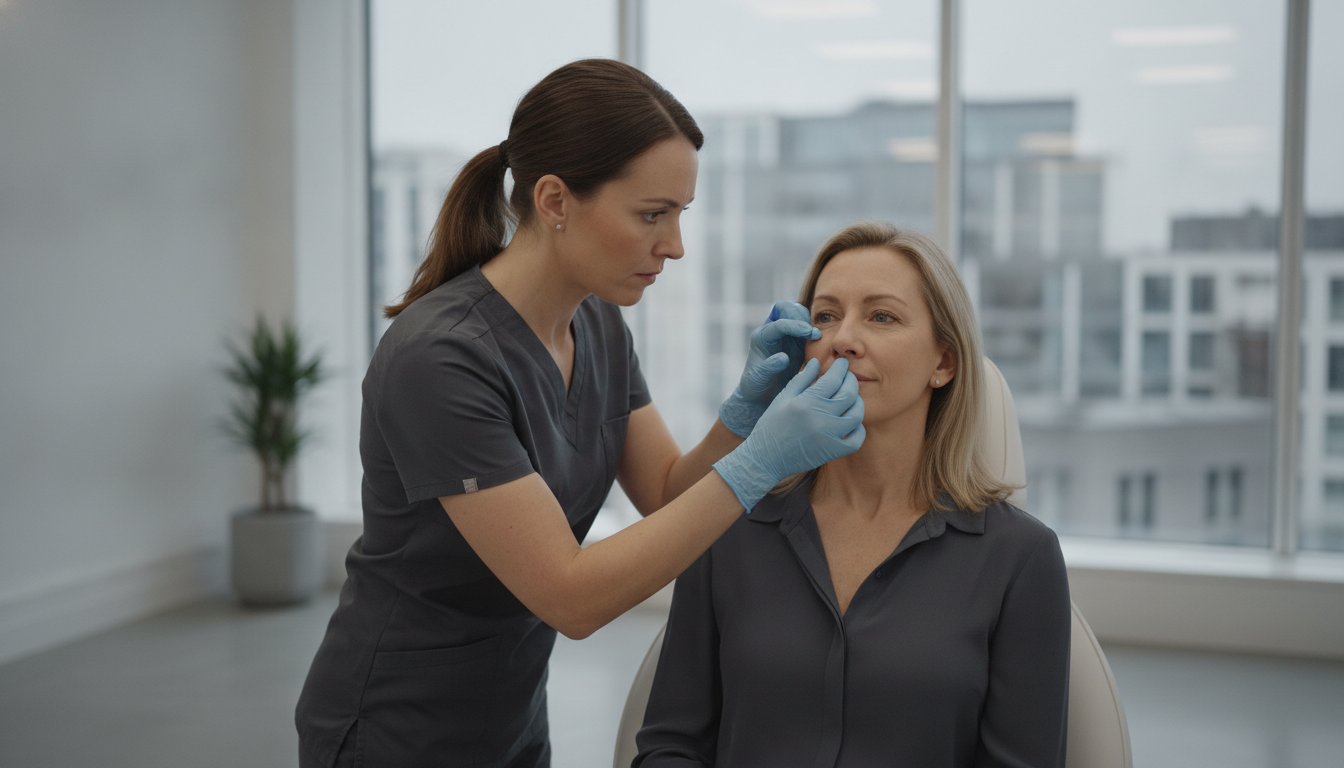
The transition from your digital learning portal to the clinical suite is where theory transforms into artistry. When you step into the boutique environment of a high-end training facility, what to expect from aesthetics training becomes a sensory and tactile reality. The clinical day is structured to mirror a professional consultation, moving from the calm preparation of a sterile field to the focused precision of treatment. This immersive experience is designed to bridge the gap between academic knowledge and the quiet confidence required to treat your own clients. You aren’t just observing; you’re participating in a meticulously curated clinical journey.
Practicing on live models is the most vital component of your development. While synthetic skins offer a basic introduction, they cannot replicate the subtle resistance of human dermal tissue or the unique anatomical nuances of a real face. Working with live models allows you to practice the art of facial assessment in real-time, observing how products like neurotoxins or dermal fillers interact with living tissue to create a refreshed, harmonious look. It’s this hands-on interaction that teaches you how to achieve “the best version of you” for every individual who walks through your door.
Hands-On Mentorship
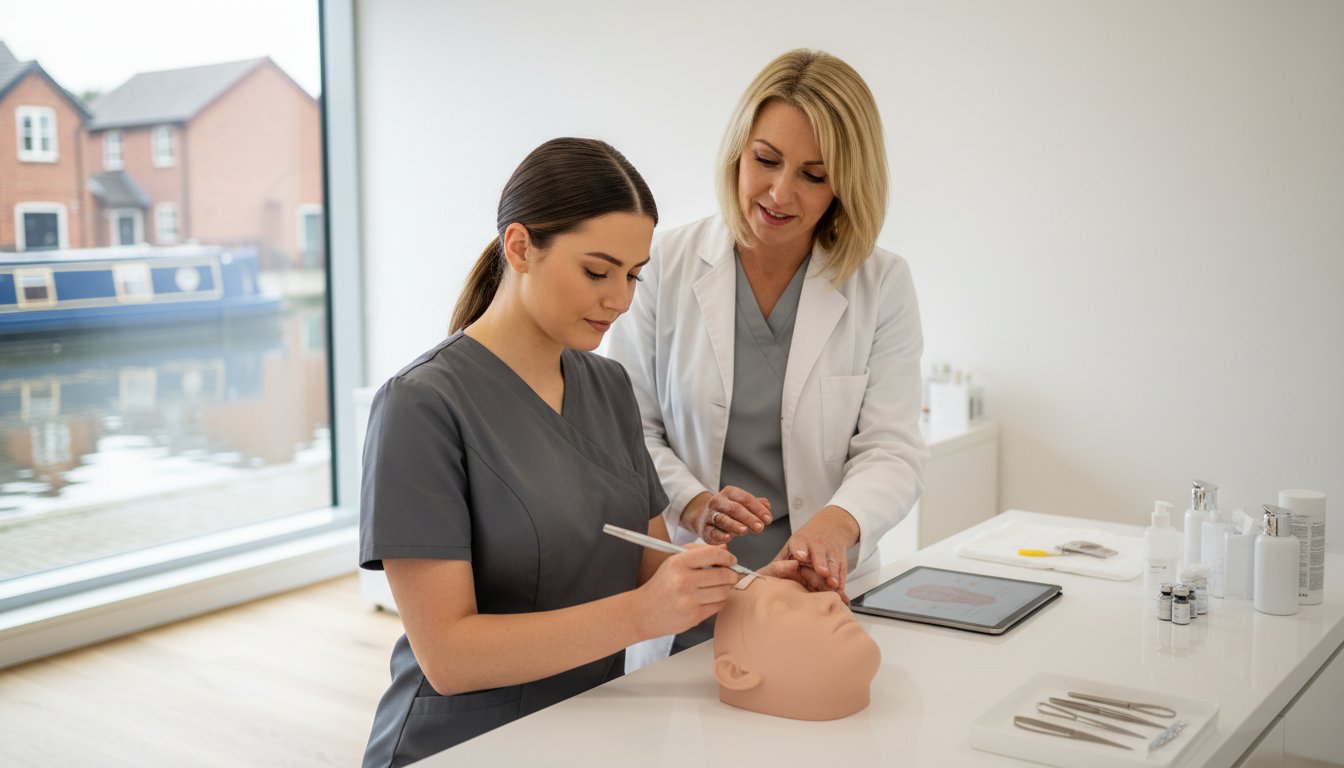
Small group sizes are essential for fostering an environment of safety and discernment. In these intimate settings, you receive one-to-one guidance from an expert artisan who monitors every movement of your hand. You’ll gain real-time feedback on needle depth, the angle of entry, and the steady pressure required for smooth product delivery. This intensive supervision ensures you develop the correct muscle memory from day one. This personalized clinical mentorship provides the essential foundation of trust and technical skill you need to transition into independent practice with total peace of mind.
Safety and Complications Management
A sophisticated practitioner is defined by their ability to manage the unexpected with clinical composure. Your practical training must include a robust focus on safety protocols, from infection control to the immediate identification of adverse events. You’ll learn the vital steps for treating a vascular occlusion, ensuring you can act with precision and speed if a complication arises. This knowledge isn’t meant to cause anxiety but to empower you with the authority of a medical professional. For a deeper exploration of these life-saving skills, read our guide on Mastering Aesthetic Safety: The Definitive Guide to a Complications Management Course.
If you’re ready to move from theory to clinical practice, our Foundation Anti-Wrinkle Injections Course provides the expert mentorship and live model experience you need to begin your journey.
Beyond the Certificate: Building Your Bespoke Aesthetics Career
The final assessment isn’t the finish line; it’s the gateway to a lifelong professional evolution. When you’re researching what to expect from aesthetics training, you’re looking for a foundation that supports your growth long after the practical days are over. Your success depends on more than technical skill. It requires a distinct clinical brand identity and a signature style that resonates with discerning clients. By focusing on the bespoke nature of your services, you move away from transactional treatments and toward an ongoing partnership in self-care. This mindset is what transforms a technician into a trusted clinical artisan.
Establishing a flourishing practice requires you to master the logistical side of aesthetic medicine. You’ll need to coordinate with prescribing clinicians for prescription-only medicines and secure robust professional indemnity insurance to protect your reputation. Marketing your services isn’t about aggressive jargon; it’s about communicating the value of subtle, natural-looking results. As the industry grows toward a projected £5.1 billion value by 2028, your ability to retain clients through meticulous care and artistic discernment will be your greatest asset. Your clinical journey is about building a reputation for safety and sophistication.
Advanced education is the key to remaining competitive in a rapidly advancing field. Once you’ve mastered the foundations of neurotoxins and fillers, you can explore regenerative treatments like polynucleotides and skin boosters that focus on long-term skin health. This commitment to continuing professional development ensures you’re always offering the most innovative, non-surgical solutions. Knowing what to expect from aesthetics training means preparing for a career where you’re constantly refining your craft to deliver the best version of your clients. It’s a journey of constant refinement and professional pride.
Launching Your Clinic
Transitioning into your own clinical space is a significant professional milestone. You should aim to create a boutique environment that mirrors the high standards of your training, ensuring every client feels both medically safe and pampered. This luxury experience is what justifies high-end pricing and builds long-term professional trust. To offer a more holistic wellness journey and enhance your clients’ inner vitality, you might consider adding specialized certifications like Vitamin B12 Injection Training: The Practitioner’s Guide to Professional Wellness Certification to your service menu.
The Beauty Worx Commitment
We view our students as lifelong partners rather than one-off trainees. The Beauty Worx team acts as a knowledgeable guide, providing the ongoing mentorship and business support you need to thrive in a regulated market. From advanced masterclasses to complications advice, we’re here to help you navigate the complexities of your clinical journey with quiet confidence and technical mastery. Our goal is to see you succeed as a specialist in your own right. Explore our OFQUAL regulated aesthetics courses and start your journey today.
Step Into Your Future as a Clinical Artisan
The path to becoming a specialist in aesthetic medicine is a profound professional transition that requires more than just technical aptitude. By prioritizing accredited education and hands-on clinical experience, you’re choosing a career defined by integrity and artistic discernment. We’ve explored the shift toward a regulated UK landscape and the critical importance of mastering facial architecture to ensure every enhancement is both safe and harmonious. Understanding what to expect from aesthetics training allows you to approach your new career with the quiet confidence of a specialist who views every treatment as a bespoke piece of art.
At Beauty Worx Aesthetics, we’re dedicated to supporting your evolution through every stage of your clinical journey. With our portfolio of over 25 CPD accredited courses and prestigious Ofqual-regulated qualifications, you gain access to the expert mentorship needed to navigate the complexities of modern practice. We invite you to Discover Your Pathway to Clinical Excellence at Beauty Worx Aesthetics and take the first step toward your professional transformation. Your future as a trusted artisan in the world of non-surgical enhancement starts with a commitment to the highest standards of care. We look forward to being your partner in this rewarding experience.
Frequently Asked Questions
Do I need a medical background to start aesthetics training in the UK?
You don’t strictly need a medical background to begin your journey, but the pathway is more structured for non-medics. Beauty therapists and career changers must follow a regulated progression through Ofqual Level 4 and Level 5 before advancing to injectable training. This ensures every practitioner, regardless of their starting point, meets the rigorous clinical standards required for the July 2026 licensing scheme.
How long does it typically take to complete a Level 7 aesthetics course?
A Level 7 Diploma usually takes between 6 and 18 months to complete, depending on your existing experience and study pace. This duration reflects the depth of facial anatomy study and the intensive clinical mentorship required to master injectable treatments. It’s a transformative professional journey that prioritizes technical precision and patient safety over a quick certification process.
What is the difference between a CPD certificate and an OFQUAL regulated diploma?
The primary difference lies in government recognition and clinical depth. Ofqual-regulated diplomas are nationally recognized qualifications that meet the strict standards required for practitioner registration by July 2026. While CPD certificates are valuable for ongoing learning and refreshing specific skills, they don’t provide the same level of regulatory security or professional standing as a formal Level 7 qualification.
Will I be able to get insurance immediately after completing my aesthetics training?
You can typically secure professional indemnity insurance as soon as you receive your accredited certificate. Most specialist insurers require proof of training from a recognized academy before they offer coverage. Maintaining this insurance, which often costs between £100 and £300 per year, is a mandatory requirement for practicing safely and legally within the UK non-surgical aesthetics industry.
Are live models provided during the practical training days?
Reputable academies always provide live models to ensure you practice on real skin rather than synthetic alternatives. This hands-on experience is a vital part of what to expect from aesthetics training, as it allows you to feel the unique resistance of different dermal layers. Mastering these subtle tactile cues is essential for achieving the refreshed, harmonious results that discerning clients expect.
What happens if I don’t feel confident after my initial training sessions?
If you don’t feel fully confident after your initial practical days, a supportive academy will offer additional clinical mentorship or shadowing opportunities. We recognize that the leap to independent practice is a significant emotional milestone. Accessing further expert guidance ensures you develop the quiet confidence and technical mastery needed to provide bespoke treatments safely and effectively.
Can I train in advanced dermal fillers if I have already completed a foundation course?
You can progress to an Advanced Dermal Filler Course once you’ve mastered the foundation techniques and gained some clinical experience. This step-by-step approach allows you to build a deep understanding of facial architecture before moving on to complex areas like the tear trough or jawline. It’s the most reliable way to evolve into a specialist practitioner who prioritizes subtle, natural-looking enhancements.
What kind of ongoing support can I expect after my course is finished?
You should expect a partnership that includes complications management advice, advanced masterclasses, and business development support. A dedicated training academy acts as a knowledgeable guide throughout your entire career, helping you navigate shifting regulations and new clinical trends. This ongoing support ensures your practice remains at the pinnacle of safety and luxury, fostering long-term success for you and your clients.












 Reviews