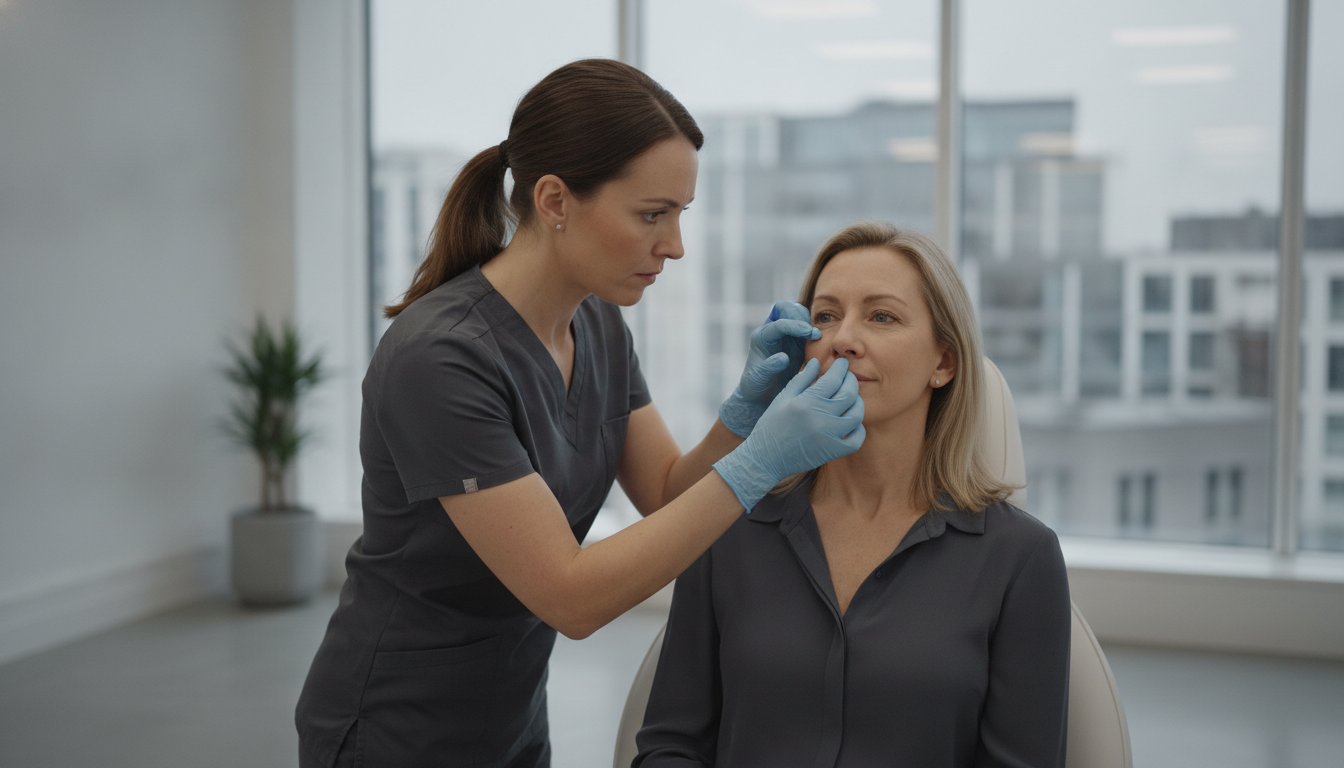
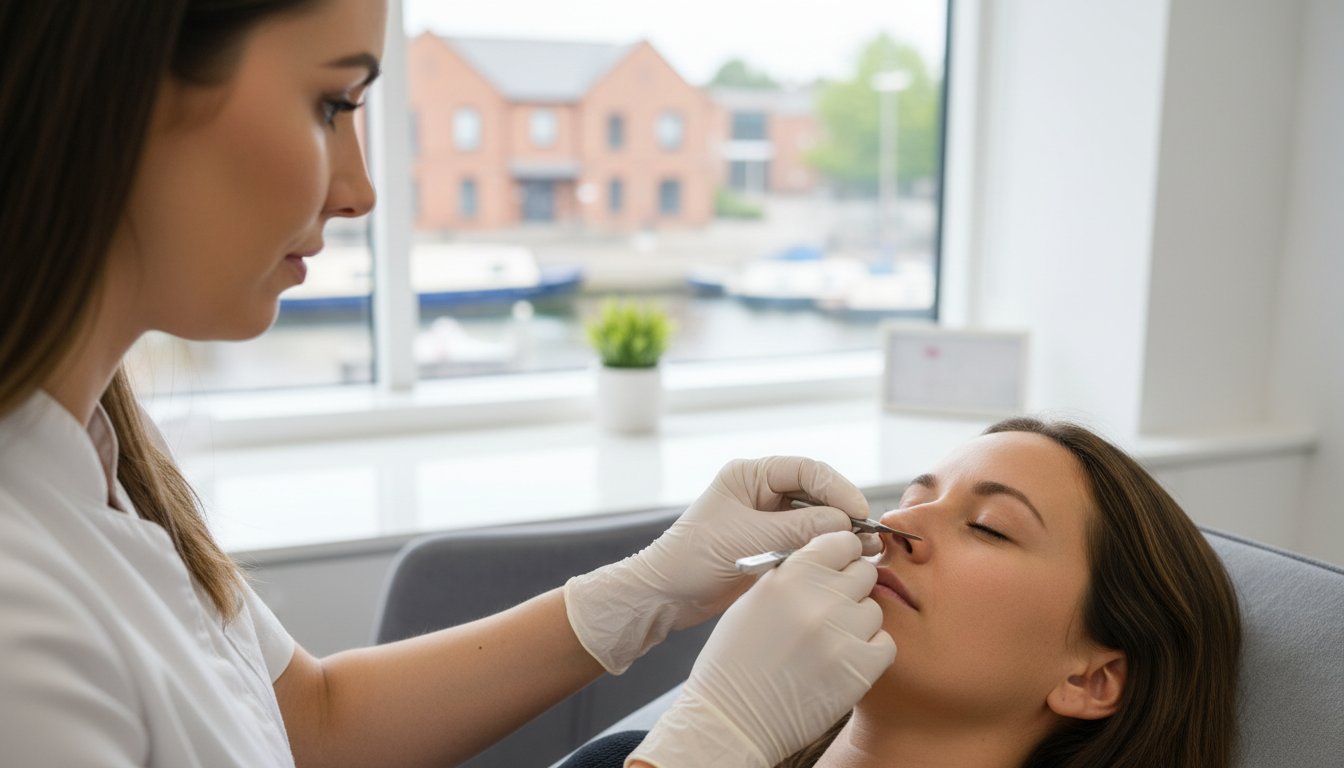
What if the secret to achieving that coveted, glass-skin radiance wasn’t found in a bottle, but in the precise, rhythmic movement of a sterile 10-gauge carbon steel blade? You likely understand that while the results are breathtaking, the thought of handling a surgical tool near a client’s delicate facial contours can feel daunting. It’s natural to feel overwhelmed by the sea of cheap, five-hour online certificates that offer little more than a PDF. These low-cost options often leave practitioners confused about the vital legal distinctions between basic CPD points and OFQUAL-regulated frameworks within the UK’s £3.6 billion aesthetics sector. Our professional dermaplaning training bridges the gap between basic hair removal and high-end clinical exfoliation, ensuring you gain both the insurance-approved certification and the steady hand required for true excellence.
You’ll learn how to master the art of the blade through accredited pathways that prioritise skin health, safety, and your long-term career growth. We’ll explore the essential safety protocols, the nuances of British accreditation standards, and the exact techniques used to deliver a luminous finish that keeps your treatment room fully booked for the next 12 months. This is your guide to evolving from a basic provider into a trusted, expert artisan of the skin.
Key Takeaways
- Explore the transition of dermaplaning from ancient ritual to a cornerstone of modern UK aesthetic practice.
- Gain a deep understanding of the dual-action science behind surgical exfoliation for achieving a refreshed, radiant glow.
- Secure your professional future by choosing accredited dermaplaning training that aligns with essential UK insurance and safety requirements.
- Identify the hallmarks of quality education, from expert-led live model sessions to comprehensive post-treatment care protocols.
- Learn how to harmonise clinical precision with high-end luxury to provide the bespoke, natural-looking results your clients desire.
The Evolution of Dermaplaning: Why Professional Training is Essential in 2026
Exfoliation is an ancient practice, yet the sophisticated clinical method we recognise today has moved far beyond its historical roots. While early civilisations used abrasive oils and pumice, the modern UK aesthetics market, projected to reach a valuation of £3.6 billion by 2026, demands a far more refined touch. Practitioners now act as trusted artisans, blending medical precision with an eye for aesthetic harmony. Understanding what is dermaplaning in a contemporary context requires looking past simple hair removal to see a complex method of physical rejuvenation that prepares the canvas of the face for advanced biological interventions.
The shift towards clinical-grade skincare has transformed consumer expectations. Clients no longer seek temporary fixes; they invest in the long-term health of their skin. This evolution makes comprehensive dermaplaning training a vital asset for any clinician. By 2026, the distinction between a basic facial and a bespoke clinical treatment lies in the practitioner’s ability to navigate the skin’s architecture with a surgical blade, ensuring safety while delivering that coveted, glass-like luminosity. It’s a delicate dance between science and art that establishes a foundation of trust between the client and their specialist.
Beyond Surface-Level Beauty
Dermaplaning serves as a vital gateway to advanced aesthetic protocols. By meticulously removing 2 to 3 weeks of accumulated dead skin cells, it allows subsequent treatments like professional chemical peel training or mesotherapy to penetrate deeper and work more effectively. Clients prioritise the “luminous” glow that only professional exfoliation provides. In a self-regulated industry, maintaining high standards through formal dermaplaning training ensures you provide the safest, most effective results. It isn’t just about the immediate radiance; it’s about the psychological boost of feeling refreshed and refined.
The Professional vs. At-Home Debate
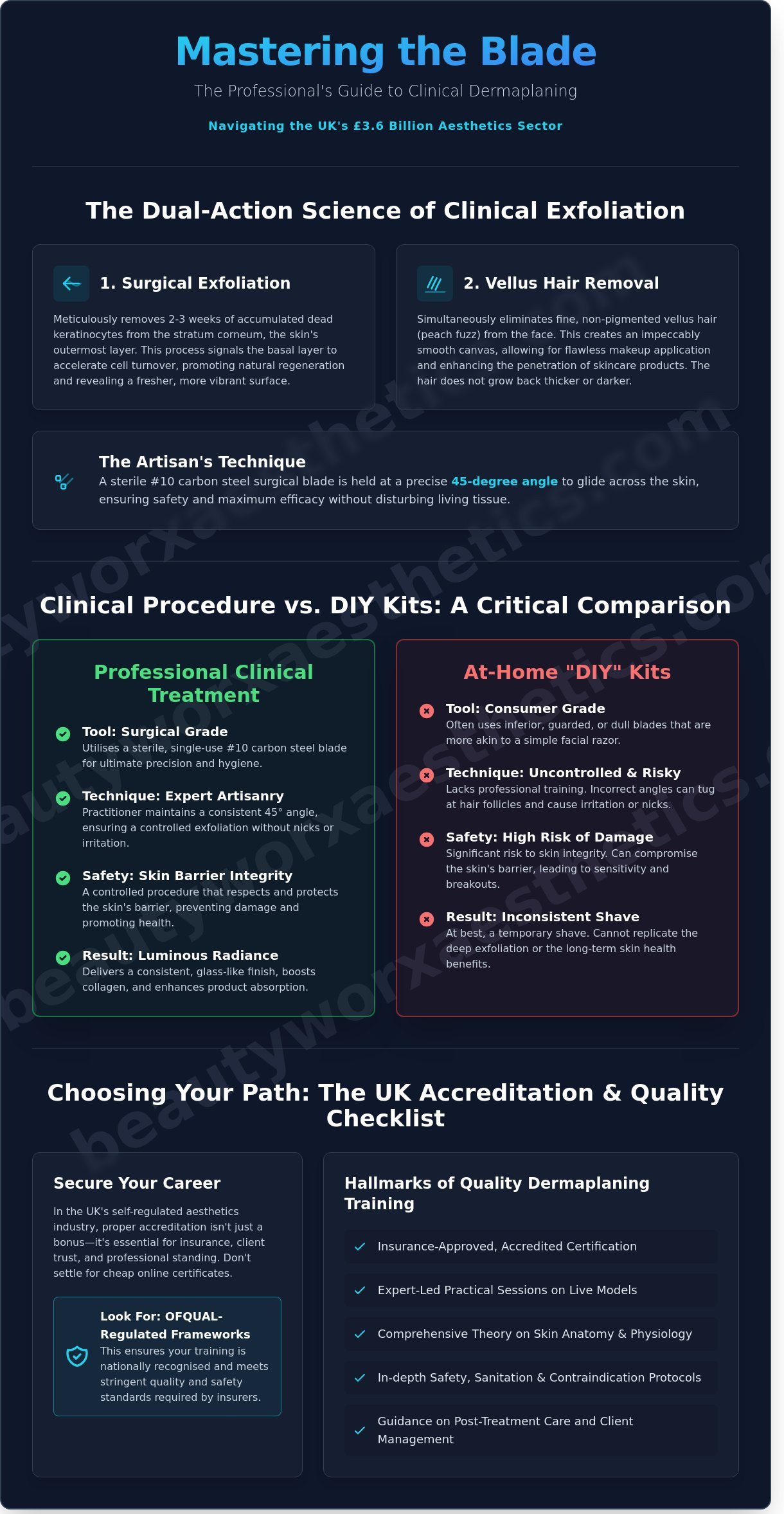
The rise of “DIY” dermaplaning kits in high-street shops presents a significant risk to skin integrity. These consumer-grade tools often use inferior, guarded blades that tug at the hair follicle rather than gliding across the stratum corneum. Professional-grade #10 surgical steel blades require expert handling that only a trained artisan can provide. Clinical dermaplaning is a controlled procedure, not a simple shave. Experts manage the blade at a precise 45-degree angle to avoid nicks or irritation, a level of detail that home kits simply cannot replicate. Professionalism ensures the skin’s barrier remains intact and healthy.
Mastering the Blade: The Science of Clinical Exfoliation
Dermaplaning is a sophisticated dual-action treatment that meticulously removes dead skin cells while simultaneously eliminating fine vellus hair to reveal a luminous, silk-like complexion. At its core, this procedure is a controlled surgical exfoliation of the stratum corneum, the skin’s outermost protective layer. By utilising a sterile 10-gauge carbon steel blade held at a precise 45-degree angle, practitioners gently sweep away the accumulated debris that often leaves the face looking dull or fatigued. During comprehensive dermaplaning training, students learn that the blade interacts exclusively with the dead keratinocytes of the epidermis, ensuring the underlying living tissue remains undisturbed and protected.
Physiology of the Glow
Removing the superficial layer of dead skin does more than provide an immediate radiance; it actively stimulates the skin’s natural regeneration process. When the stratum corneum is thinned through professional exfoliation, the basal layer of the epidermis receives a biological signal to accelerate cell production. This creates a bespoke result tailored to the individual’s unique skin cycle. A skilled practitioner adjusts their technique based on the client’s specific needs; for instance, a client in their 50s may require lighter pressure compared to a younger client with thicker, more resilient tissue. Over a series of 6 treatments, clients often notice improved texture as the consistent stimulation encourages subtle collagen induction, leading to a firmer and more youthful appearance. This journey toward skin health is a cornerstone of our advanced aesthetic programmes.
Vellus Hair and the Regrowth Myth
One of the most frequent questions encountered during dermaplaning training involves the fear of hair returning thicker or darker. Biologically, this is an impossibility because the blade only affects the hair shaft above the surface. Vellus hair, often called peach fuzz, is fine, non-pigmented, and lacks the deep-rooted medulla found in terminal hair. Because the follicle remains untouched, the DNA of the hair cannot be altered by a surface-level cut. Adhering to Dermaplaning safety best practices ensures that the treatment remains non-invasive and safe for the delicate facial anatomy. Data from clinical surveys indicates that 94% of clients report no change in hair texture after 12 consecutive months of treatment. Providing these facts helps dissolve client anxieties, allowing them to focus on the confidence that comes with a perfectly smooth, harmonious finish.
Accreditation and Safety: Navigating the UK Aesthetics Landscape
Choosing the right dermaplaning training isn’t just about learning a skill; it’s about establishing a foundation of clinical safety that mirrors the luxury of your service. In the UK, you’ll encounter two primary paths: CPD accreditation and OFQUAL regulated qualifications. While CPD points demonstrate a commitment to ongoing learning, OFQUAL Level 4 qualifications provide a nationally recognised framework that meets the highest educational standards. Opting for a £99 “fast-track” certificate often leaves practitioners without the necessary depth of knowledge. These unaccredited courses represent a significant risk to your professional reputation; they rarely cover the complex anatomy and physiology required to perform exfoliation safely.
Clinical excellence requires a meticulous approach to hygiene. Every session must involve a fresh, sterile 10 or 14 gauge carbon steel blade. You’ll need a dedicated sharps bin, compliant with the Health and Safety (Sharp Instruments in Healthcare) Regulations 2013, to ensure safe disposal and prevent injury. By adhering to these protocols, you transform a simple treatment into a sophisticated clinical experience.
The Importance of Being Insurable
UK insurers, including industry leaders like Hamilton Fraser and Cosmetic Insure, typically require proof of hands-on training and a minimum of six months’ experience in beauty or aesthetics. A high-level certification doesn’t just lower your annual premiums; it acts as a professional shield. If a client experiences an adverse reaction, your training provider’s accreditation proves you followed a “best practice” protocol. This provides a deep sense of security for you and ensures your clients feel pampered and protected during their journey toward luminous skin. Most insurers look for:
- Evidence of practical, face-to-face assessment
- A curriculum covering blood-borne pathogens
- Proof of a regulated training provider
Complications Management and Skin Health
A professional practitioner views every face as a bespoke canvas. Before the blade touches the skin, you must identify contraindications like active cystic acne or raised moles. Research, including a systematic review of dermaplaning efficacy, highlights how controlled exfoliation promotes cell turnover when performed correctly. If a minor nick occurs, handling it with calm, clinical precision, using sterile gauze and firm pressure, reassures the client of your expertise. Maintaining a sterile, boutique environment isn’t just about aesthetics; it’s the cornerstone of modern skin health and the hallmark of a trusted expert artisan.
Choosing the Right Dermaplaning Course: A Quality Checklist
Selecting your dermaplaning training provider is a pivotal decision that defines your clinical reputation. You aren’t just purchasing a certificate; you’re investing in the safety and satisfaction of your future clients. A premium course must bridge the gap between textbook theory and the tactile reality of surgical blade work, ensuring you transition from student to specialist with absolute poise.
What a Comprehensive Curriculum Should Include
A robust syllabus leaves nothing to chance. It should anchor your practice in the Health and Safety at Work Act 1974 while exploring the intricate layers of facial anatomy and physiology. You’ll need to master the 45-degree blade angle and learn precise facial mapping to ensure every contour is treated with uniform pressure. Beyond the treatment room, look for modules that discuss the commercial side of aesthetics. Most successful practitioners in the UK charge between £60 and £120 for a bespoke dermaplaning session. Your training should teach you how to justify these premium rates through expert skin analysis and high-end service delivery.
The Value of In-Person Mentorship
There’s no substitute for a mentor’s physical presence during your initial dermaplaning training. A tutor’s watchful eye catches the micro-adjustments in hand positioning that prevent nicks or over-exfoliation. At BeautyWorx, we recognise that the student’s emotional journey is as vital as their technical progression. You’ll gain confidence by practising on varied skin textures, from delicate mature skin to thicker, oilier complexions, all within a controlled and supportive environment. This hands-on experience ensures your first solo treatment feels like a natural extension of your skills rather than a daunting trial.
Before you enrol, ensure the course meets this essential quality criteria:
- Live Model Practice: Verify that you will work on at least two live models under direct supervision to experience different skin sensitivities.
- Professional Starter Kit: The course should include a high-quality kit featuring sterile No. 10 or No. 14 carbon steel surgical blades and medical-grade sharps disposal.
- Post-Treatment Care: Training must cover the application of professional-grade serums and SPF 50 to protect the newly revealed, luminous skin.
- Ongoing Support: Look for providers that offer a lifetime mentorship link or a dedicated student forum for troubleshooting complex cases after graduation.
Ready to elevate your aesthetic career with a bespoke learning experience? View our upcoming dermaplaning training dates and start your journey toward clinical excellence today.
Elevate Your Career with Beauty Worx Aesthetics Training
Beauty Worx Aesthetics isn’t just a training provider; it’s a sanctuary where clinical precision meets boutique luxury. We believe that aesthetic education should be as refined as the results you provide to your clients. Our philosophy centres on the idea that practitioners are artisans. This means our dermaplaning training is meticulously designed to move beyond basic technique, focusing instead on the “best version” of aesthetic excellence. We prioritise subtle, harmonious enhancements that respect the natural anatomy of the face, ensuring your clients leave feeling refreshed rather than “done.”
The Beauty Worx Experience
Step into our national training centre and you’ll immediately notice the difference. The atmosphere is sophisticated and warm, intentionally designed to mirror the high-end clinical environments our students aim to lead. We guide you through a structured journey that transforms beginners into confident, expert practitioners. It’s a supportive environment where safety and artistic discernment go hand in hand. Because we’re committed to your long-term growth, we offer a portfolio of over 25 CPD accredited courses. This allows you to build a diverse skill set that keeps your practice at the forefront of the UK aesthetics industry.
When you train with us, you gain more than a certificate. You gain access to:
- Small class sizes that ensure 1-to-1 mentorship from industry specialists.
- Advanced protocols for creating bespoke treatment plans for diverse skin types.
- A community of like-minded professionals dedicated to clinical safety.
- Hands-on experience with medical-grade tools and luxury skincare products.
Your Next Steps to Success
Aesthetic medicine is a beautiful marriage of science and art. Success in this field requires a meticulous eye for detail and a commitment to continuous learning. On your first day of dermaplaning training, you’ll receive a comprehensive technical manual and a professional starter kit to begin your practice immediately. We provide a clear, step-by-step pathway for enrolment that removes the stress from your career transition. Our team is here to act as your knowledgeable guide, helping you navigate your new professional landscape with quiet confidence. It’s time to invest in a career that empowers both you and your clients. You can begin your journey to becoming a dermaplaning specialist with Beauty Worx today and join a community that sets the gold standard for British aesthetics.
Step into Your Future as an Aesthetics Expert
Your journey toward becoming a distinguished practitioner begins with a commitment to excellence and clinical precision. As the UK aesthetics landscape evolves toward stricter regulations in 2026, mastering the science of exfoliation is no longer optional; it’s the foundation of a safe, successful practice. By choosing a programme that prioritises medical safety and artistic discernment, you ensure every patient leaves with a luminous, refreshed complexion that feels entirely their own.
At Beauty Worx Aesthetics, we provide more than just a certificate. Our curriculum features over 25 CPD accredited courses and OFQUAL regulated qualifications, ensuring your skills meet the highest national standards. You’ll receive expert mentorship from lead practitioners within our clinical setting, focusing on the bespoke care and natural-looking results that define modern luxury aesthetics. Investing in high-calibre dermaplaning training allows you to blend medical-grade authority with the refined touch of an artisan. This isn’t just about learning a technique; it’s about elevating your career to meet the demands of a sophisticated clientele who increasingly seek comprehensive skin rejuvenation through advanced treatments like skin booster training for deep cellular hydration.
Explore our accredited Dermaplaning Training courses and start your aesthetics career today
We’re excited to guide you through this transformative chapter of your professional life.
Frequently Asked Questions
Is dermaplaning training suitable for beginners with no prior beauty experience?
Most professional dermaplaning training courses require you to hold a Level 2 or 3 qualification in Beauty Therapy or have a medical background before enrolling. This ensures you possess a fundamental understanding of skin physiology and clinical hygiene standards. If you’re a complete novice, you’ll typically need to complete a facial foundations module first to ensure your clinical journey begins with the necessary expertise and safety.
Can non-medics perform dermaplaning treatments in the UK?
Yes, non-medics can safely perform dermaplaning in the United Kingdom provided they hold the correct certifications and insurance. Current UK regulations allow aesthetic practitioners with a Level 3 beauty qualification to offer this advanced exfoliation service. It’s essential to check with your local council, as 85% of local authorities require a specific massage and special treatment licence to operate legally within their jurisdiction.
How long does a professional dermaplaning training course typically take?
A comprehensive dermaplaning training course usually spans one full day of intensive, hands-on clinical practice. You’ll often spend 6 to 8 hours mastering the precise 45-degree angle required for the blade, following several hours of pre-study theory. This focused approach ensures you gain the confidence to deliver a luminous glow while maintaining the highest safety standards for every bespoke client experience.
What kind of insurance do I need once I have completed my dermaplaning training?
You’ll need professional indemnity and public liability insurance that specifically lists dermaplaning as a covered treatment. Specialist aesthetic insurers, such as Hamilton Fraser or Cosmetic Insure, provide policies that protect you against medical malpractice claims. Annual premiums for these policies often start from approximately £150, offering you the peace of mind to focus on enhancing your clients’ natural beauty safely.
Will my clients’ hair grow back thicker after a dermaplaning treatment?
No, it’s a biological myth that removing vellus hair causes it to grow back thicker, darker, or more coarse. Dermaplaning targets the fine peach fuzz on the skin’s surface without affecting the hair follicle’s structure or growth cycle. Your clients will simply enjoy a smoother, more radiant complexion as the hair returns to its original fine state over a period of 4 to 6 weeks.
What is the difference between a CPD certificate and an OFQUAL qualification?
A CPD certificate demonstrates your commitment to continuing professional development, while an OFQUAL qualification is a nationally recognised credential regulated by the government. While 90% of short courses offer CPD points, an OFQUAL Level 4 certificate provides a more rigorous academic framework. Choosing the latter often makes it easier to secure insurance and establishes you as a trusted, expert artisan in the competitive aesthetics market.
Is a starter kit included in the dermaplaning training fee?
Most high-end training providers include a professional starter kit within the course fee to facilitate your first 10 to 15 treatments. These kits typically contain sterile #10R surgical steel blades, ergonomic handles, and clinical-grade sanitising solutions. Having these tools immediately available allows you to translate your new skills into a luxurious service for your clients without any delay or additional initial investment.
How much can I charge for a professional dermaplaning treatment?
You can typically charge between £40 and £75 for a standalone dermaplaning session, depending on your location and expertise. In premium London clinics, prices often reach £90 when the treatment is paired with a bespoke chemical peel or a hydrating mask. By positioning this service as a restorative skin journey, you can create a profitable revenue stream that rewards your meticulous attention to detail.











 Reviews