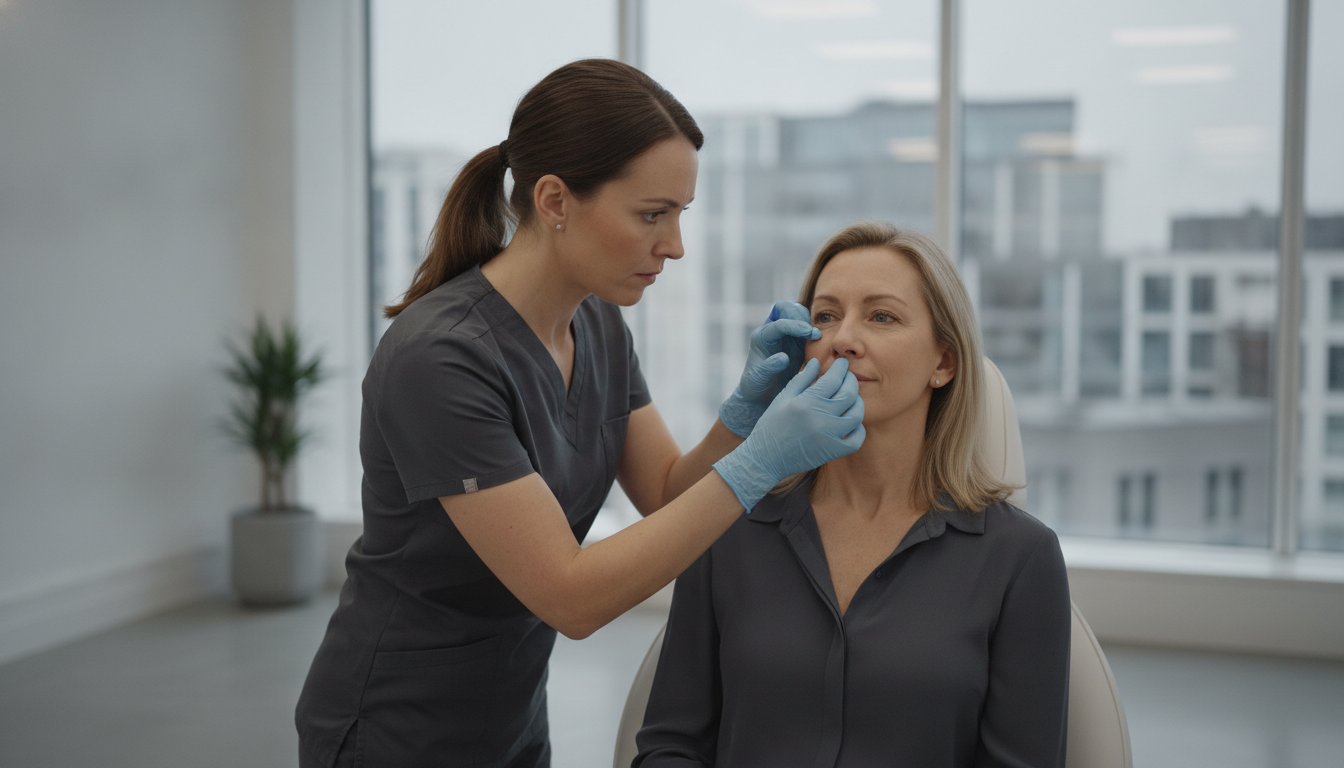

What if your most sophisticated clinical tool wasn’t a needle or a laser, but a perfectly executed set of patient records? You’ve dedicated your career to the delicate science of restoration, yet the administrative weight of UK regulatory compliance often feels like a sterile intrusion into your boutique environment. It’s completely understandable to feel a sense of unease regarding the shifting landscapes of GDPR or the rigorous 2026 JCCP standards. However, mastering your aesthetic consent forms and documentation is the most powerful way to protect your professional artistry. By treating your records with the same precision you apply to a subtle neurotoxin treatment, you create a robust shield of safety that supports every client journey toward self-confidence.
We promise to help you transform your intake process from a point of friction into a seamless, professional ritual that reflects the high-end nature of your practice. You’ll gain the absolute clarity needed to satisfy OFQUAL requirements while building deep, lasting trust during every consultation. This guide provides a comprehensive roadmap for establishing a meticulous documentation system, ensuring your practice remains both legally compliant and beautifully patient-centered.
Key Takeaways
- Understand how the landmark Montgomery ruling redefines your duty of care, ensuring every patient is fully informed of “material risks” before their aesthetic journey begins.
- Discover how to implement comprehensive aesthetic consent forms and documentation that move beyond generic templates to provide a robust safety net for your clinical practice.
- Explore the sophisticated transition to digital record-keeping, balancing the elegance of a paperless clinic with the strict requirements of UK GDPR and data protection.
- Learn why achieving OFQUAL-regulated Level 5 or 7 status is the definitive path to elevating your professional standards and ensuring clinical-grade documentation.
- Gain the expertise to turn routine paperwork into a meaningful dialogue, enhancing patient trust and reinforcing your reputation as a meticulous, safety-first practitioner.
The Vital Role of Documentation in Clinical Aesthetic Practice
Excellence in the UK aesthetic sector relies on the invisible architecture of your clinic. Within the refined atmosphere of a bespoke practice, the quality of your aesthetic consent forms and documentation serves as the silent guardian of your professional reputation. Robust paperwork isn’t merely a bureaucratic hurdle; it’s the cornerstone of patient safety that ensures every luminous result is backed by clinical rigor. By maintaining precise records, you provide a safety net for the client and a framework for your own clinical excellence.
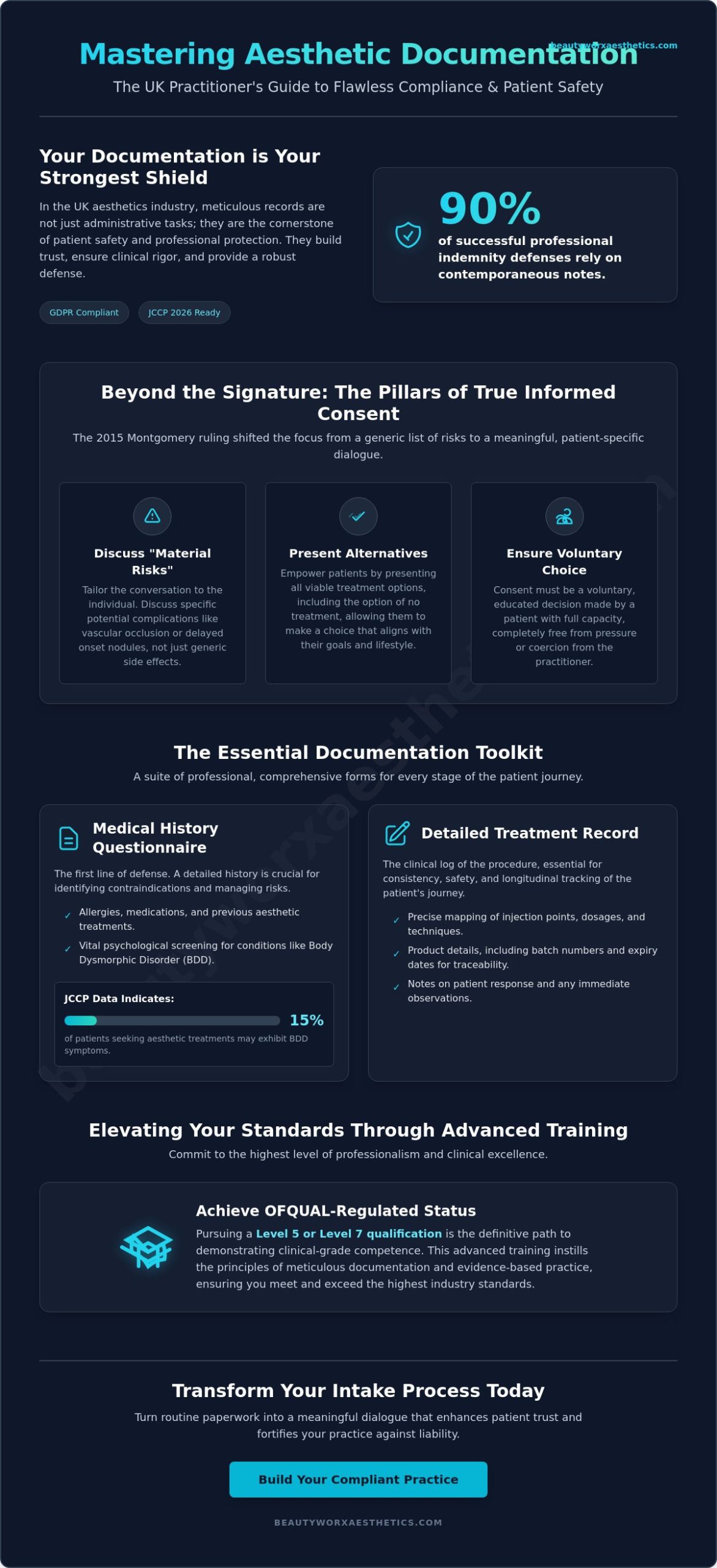
Psychologically, the act of thorough record-keeping builds an immediate bridge of trust. When a client sees a practitioner meticulously documenting their medical history and aesthetic goals, it reinforces your authority as a trusted artisan. This transparency transforms the consultation from a simple transaction into a supportive partnership. In an industry where 90% of successful defenses against professional indemnity claims rely on contemporaneous notes, your documentation is your strongest shield. Meticulous aesthetic consent forms and documentation act as the primary defense in the event of a dispute, providing the evidence needed to prove that you met the required standard of care.
Beyond the Signature: What is Informed Consent?
True consent is a fluid process of communication, not just a fleeting moment where a pen touches paper. It requires a deep dive into the Informed Consent Principles that govern medical ethics in the United Kingdom. You must discuss “material risks” specifically tailored to the individual, ensuring they understand both the potential for a refreshed appearance and the rare complications like vascular occlusion or delayed onset nodules. Practitioners should always present alternative treatment options, allowing the client to choose the path that best aligns with their lifestyle. Informed consent is a voluntary, educated decision made by a patient without coercion.
The Aesthetic Journey and Professionalism
Your documentation should mirror the high-end luxury environment of your clinic. Professional, branded forms signal to the client that they’re in a medical environment that values precision as much as beauty. Transitioning from a beauty therapist mindset to a clinical practitioner requires a commitment to data accuracy that goes beyond simple contact details. Since the 2015 Montgomery ruling, UK courts have shifted the focus toward what the specific patient would want to know, making detailed notes about personal motivations essential.
- Accurate records help manage expectations for natural-looking, harmonious results.
- Detailed mapping of neurotoxin injection points ensures consistency in future “tweakments.”
- Standardised data collection allows for better longitudinal tracking of a client’s aging journey.
By capturing the nuances of a client’s facial anatomy and their emotional drivers, you move away from “one-size-fits-all” procedures. This level of detail ensures that every enhancement feels bespoke, helping your clients become the best version of themselves while keeping your practice legally and ethically secure in 2026.
The Essential Toolkit: Standard Forms Every Clinic Requires
Every successful aesthetic journey begins with meticulous paperwork. It isn’t just about compliance; it’s about crafting a safe environment where artistry can flourish. A practitioner’s toolkit for aesthetic consent forms and documentation acts as a roadmap, ensuring every detail of the client’s health and aspirations is captured with precision. This foundation allows you to focus on delivering a refreshed, luminous result while maintaining the highest clinical standards.
The Medical History Questionnaire
This document serves as the first line of defense against complications. You must capture allergies, current medications, and any history of previous aesthetic work. Beyond physical health, psychological screening is vital. Identifying Body Dysmorphic Disorder (BDD) helps protect both the patient and the clinic’s reputation. Data from the Joint Council for Cosmetic Practitioners (JCCP) suggests that approximately 15% of patients seeking aesthetic treatments may exhibit symptoms of BDD. Updating these records at every single visit is non-negotiable, as health status can change in a matter of weeks.
Treatment-Specific Documentation
A “one size fits all” approach is a liability in a modern clinic. The risks and recovery profiles for lip augmentation filler differ significantly from those of anti-wrinkle injections. Your documentation should record why a specific dermal filler brand was chosen for its unique rheology and lifting capacity. Capturing the “why” ensures the treatment plan remains bespoke. It transforms a standard procedure into a tailored experience that prioritizes a harmonious, natural-looking result. Detailed records must include:
- Product batch numbers and expiry dates for full traceability.
- Mapping of specific injection sites and depths.
- Total dosages administered, measured in units or millilitres.
- A summary of the patient’s aesthetic goals discussed during the consultation.
The Importance of Standardised Aftercare
Providing written aftercare is a legal necessity to mitigate negligence claims under UK law. These sheets extend your professional care into the client’s home, offering reassurance during the initial healing phase. Include emergency contact details and a “what to expect” timeline for the first 72 hours. Clear instructions help maintain that refreshed glow and ensure the longevity of the results. When patients feel supported post-procedure, they are more likely to trust the long-term partnership of their aesthetic journey. If you’re looking to refine your own clinical standards, exploring a bespoke consultation process can set the tone for excellence.
Meticulous aesthetic consent forms and documentation do more than just tick a box. They provide a narrative of the patient’s care, proving that every decision was made with their safety and aesthetic harmony in mind. By documenting the subtle nuances of each treatment, you build a legacy of trust and professional integrity.
Navigating Legal Standards: Montgomery and Insurance Compliance
The legal landscape of aesthetic medicine shifted fundamentally following the 2015 Montgomery v Lanarkshire Supreme Court ruling. This landmark case moved the UK medical community away from the traditional Bolam test, where a practitioner’s actions were judged solely by their peers. Today, the focus is squarely on the patient’s right to autonomy. Your aesthetic consent forms and documentation aren’t just administrative hurdles; they’re the primary evidence that you’ve respected a client’s right to make an informed choice about their bespoke treatment journey.
Under the Montgomery standard, you must disclose any “material risk” that a reasonable person in the patient’s position would likely attach significance to. This means you can’t rely on a generic list of side effects. If a client is a professional pianist, a 0.1% risk of hand swelling is material to them. Your documentation should reflect these specific, nuanced conversations to ensure both safety and legal protection.
The Montgomery Ruling in Aesthetic Practice
Transitioning to a patient-centred model requires a dialogue that prioritises the client’s emotional and physical wellbeing. It’s no longer enough to state that you followed standard protocols. You must document that the patient understood the specific risks associated with their facial anatomy and desired outcomes. This level of detail transforms a standard form into a protective shield for your practice.
Insurance providers in the UK now scrutinise these records with clinical precision. They often require specific clauses that confirm you’ve discussed alternative treatments and the “do nothing” option. To maintain this high standard of care, many practitioners find that completing a complications management course provides the necessary medical depth to explain rare but significant risks effectively. This knowledge allows you to speak with the quiet confidence of an expert artisan while ensuring your paperwork is beyond reproach.
Cooling-Off Periods and the Two-Stage Process
Ethical aesthetics thrives on reflection rather than impulse. Implementing a two-stage consent process is a hallmark of a prestigious, safety-conscious clinic. This involves an initial consultation where the treatment plan is mapped out, followed by a mandatory cooling-off period before the procedure takes place. While the length can vary, a minimum of 48 hours is often recommended, with some professional bodies suggesting up to two weeks for more invasive injectable treatments.
- Separate the consultation notes from the treatment day records to prove a gap for reflection existed.
- Use the cooling-off period to provide digital or physical brochures that reinforce the “benefit-first” outcomes and potential downtime.
- Ensure the final signature on the aesthetic consent forms and documentation is dated the day of the procedure, confirming no new concerns have arisen.
This measured approach builds profound trust. It signals to your clients that you value their long-term satisfaction and safety over a quick transaction. By documenting this journey in two distinct phases, you create a robust audit trail that satisfies both regulatory bodies and insurance underwriters, ensuring your practice remains as resilient as it is refined.
Best Practices for Accurate Record Keeping and Management
Transitioning to a paperless clinical environment represents more than just a modern upgrade; it’s a commitment to the seamless, secure experience your clients expect. Moving away from physical files reduces the risk of misplacement and ensures that every detail of a client’s journey is accessible at the touch of a screen. Digital systems allow for the intuitive integration of aesthetic consent forms and documentation, creating a fluid workflow that respects the client’s time and your professional focus. Precision is paramount. A digital-first approach ensures that every bespoke treatment plan is backed by a robust, searchable history.
Standardising Clinical Photography
Capturing the transformation of a client’s features requires the eye of an artist and the discipline of a scientist. To show truly harmonious results, you must standardise your “before and after” imagery. Use a dedicated space with consistent lighting, a neutral background, and fixed camera angles to eliminate variables that could distort the perceived outcome. This objective record acts as a visual diary of the treatment journey, providing clarity and reassurance during follow-up consultations. You must obtain specific, separate consent for images used on social media platforms versus those kept purely for clinical records. While a client might welcome a luminous result in their private file, they may prefer to keep their aesthetic enhancements confidential from the public eye.
GDPR Compliance for Aesthetic Practitioners
Protecting sensitive medical and photographic data is a cornerstone of the trust you build with your clientele. All digital patient management systems must utilise high-level encryption and multi-factor authentication to safeguard against data breaches. Balancing the “right to be forgotten” under GDPR with the legal necessity of medical record retention requires a nuanced approach. While clients can request the deletion of marketing data, clinical records are protected by different legal grounds. To meet the rigorous standards of UK medical malpractice insurers, aesthetic records should typically be held for at least 10 years to ensure comprehensive protection against future claims. This longevity provides a safety net for both the practitioner and the patient, preserving the integrity of the clinical history.
- Encryption: Ensure all cloud-based storage meets UK data protection standards.
- Access Control: Limit record access to essential clinical staff only.
- Audit Trails: Maintain a log of who accessed client files and when.
Maintaining impeccable aesthetic consent forms and documentation isn’t just a regulatory hurdle; it’s a hallmark of a premium service that prioritises patient safety above all else. By treating record management with the same care as a delicate dermal filler application, you reinforce your reputation as a meticulous and trustworthy expert.
Ready to elevate your clinic’s operational standards? Discover our professional resources for practitioners to refine your documentation process today.
Elevating Your Standards Through Advanced Training
Transitioning from basic beauty treatments to advanced clinical injectables requires more than just technical precision; it demands a robust understanding of clinical governance. OFQUAL regulated qualifications, specifically the Level 5 and Level 7 Diplomas, provide the rigorous framework necessary to master aesthetic consent forms and documentation. These certifications bridge the gap between traditional salon training and the high-stakes environment of medical aesthetics. At Beauty Worx Aesthetics, we ensure this discipline is woven into the core of our aesthetic courses. It’s not simply about ticking boxes. It’s about protecting your patients and your professional reputation through meticulous record-keeping.
The Level 7 Diploma and Clinical Governance
Higher-level training prepares you for the scrutiny of clinical audits, which are becoming a standard expectation in the UK’s evolving regulatory environment. By integrating facial aesthetics theory into your consultation dialogue, you transform a standard form into a bespoke roadmap for the patient’s journey. You become a trusted artisan who balances anatomical knowledge with artistic vision. This level of educational excellence ensures that every signature on a consent form is backed by a deep, shared understanding of the desired harmonious results. Practising at this level means your documentation becomes a testament to your commitment to safety and transparency.
Ongoing Mentorship and Documentation Audits
Mastering the consenting process is a continuous evolution rather than a one-time achievement. Having a knowledgeable guide to review your clinical paperwork provides an invaluable safety net. Our mentorship programmes focus on the nuances of risk disclosure and the legal weight of your records. We help you update forms as safety protocols change, ensuring your practice remains at the forefront of the industry. Continuous improvement is the hallmark of a true professional. Consider these key benefits of regular documentation reviews:
- Risk Mitigation: Identifying gaps in your disclosure process before they become liabilities.
- Regulatory Compliance: Staying ahead of the 2026 UK legislative updates regarding non-surgical procedures.
- Patient Trust: Demonstrating a level of professionalism that reassures clients they’re in expert hands.
- Clinical Precision: Refining how you record injection sites, dosages, and batch numbers for every treatment.
Elevate your practice and secure your professional future by joining our next Level 7 Diploma intake. Your journey toward becoming a master of aesthetic consent forms and documentation starts with the right educational partnership.
Refining Your Path to Clinical Mastery
Mastering your aesthetic consent forms and documentation isn’t just about administrative compliance; it’s about building a foundation of trust that defines your professional reputation. By strictly adhering to the 2015 Montgomery ruling, you ensure every patient receives the bespoke care they deserve while protecting your clinic from legal and insurance risks. Precise record keeping acts as a silent partner in your artistry. It allows you to track luminous results and maintain the highest clinical standards throughout 2026 and beyond. This meticulous approach transforms a standard procedure into a refined journey of self-care and safety. As UK regulations continue to evolve, staying ahead requires more than just templates. It demands a commitment to continuous learning through an OFQUAL Regulated Qualifications provider and a CPD Accredited Training Centre. Your dedication to detail reflects the quiet confidence of a specialist who views aesthetic medicine as both a science and an art form.
Explore our OFQUAL regulated Level 7 Diploma and master clinical excellence to benefit from expert-led clinical mentorship. We’re here to support you as you create the best version of your patients and your professional career.
Frequently Asked Questions
Do I need a separate consent form for every aesthetic treatment?
You must obtain a fresh consent form for every individual treatment session, even if the patient has had the procedure before. This ensures that the patient’s health status is updated and they understand the specific risks associated with that day’s clinical intervention. According to the GMC guidance on decision making and consent, practitioners must ensure the patient has all relevant information to make an informed choice at the time of every treatment.
Is a digital signature on a consent form legally binding in the UK?
Digital signatures are legally binding in the United Kingdom under the Electronic Communications Act 2000 and the eIDAS Regulation. These electronic records provide a secure, time-stamped trail that’s often more robust than traditional paper files. Using encrypted software ensures your aesthetic consent forms and documentation meet the strict requirements of GDPR while maintaining the high-end, seamless experience your clients expect during their aesthetic journey.
What should I do if a patient refuses to sign part of the consent form?
You shouldn’t perform the treatment if a patient refuses to sign any portion of the consent documentation. Consent must be informed and freely given to be valid; a partial refusal indicates a lack of agreement to the procedure’s terms or risks. In these instances, the entire procedure should be deferred until the patient feels comfortable and fully aligned with the clinical protocol you’ve designed for their safety.
How long do I need to keep aesthetic patient records for insurance?
Most UK medical malpractice insurers, such as Hamilton Fraser, require you to retain patient records for at least 10 years after the last treatment. For patients under 18, you must keep records until their 25th or 26th birthday depending on the specific policy wording. This decade-long retention period ensures you’re protected against late-discovery claims, which can arise years after the initial harmonious result was achieved.
What are the most common mistakes practitioners make in their documentation?
The most frequent errors include failing to record product batch numbers and omitting the specific location of injections. A 2023 industry audit found that 30% of practitioners lacked detailed “before and after” photography, which is vital for clinical evidence. Failing to document the specific risks discussed during the consultation leaves the practitioner vulnerable if a rare complication occurs, undermining the professional safety net you’ve built for your bespoke practice.
Does my insurance policy dictate what must be in my consent forms?
Your insurance provider will specify mandatory elements for your aesthetic consent forms and documentation to ensure coverage remains valid. Most policies require clear sections on potential side effects, post-treatment care instructions, and a formal cooling-off period. Following these insurer-mandated templates protects your professional reputation and ensures your business remains financially secure in the event of a dispute or clinical claim.
How do I document a patient consultation if they decide not to proceed?
You must record every consultation in your patient management system, even if the individual chooses not to move forward with the treatment. Note the specific concerns discussed, the clinical advice provided, and the reason the journey ended, such as the patient needing more time to consider their options. This creates a transparent history that demonstrates your commitment to ethical practice and patient safety over commercial gain.
Is a “cooling off” period legally required for dermal fillers?
While no specific statute mandates a 48-hour cooling-off period for dermal fillers, the JCCP and GMC guidelines strongly recommend it as a standard of professional conduct. Providing this reflection time ensures the client’s decision is deliberate and free from pressure, which is essential for valid legal consent. Most reputable UK clinics implement a mandatory 24 to 48 hour window between the initial consultation and the actual procedure to uphold these high ethical standards.










 Reviews